
 1 hour ago
13
1 hour ago
13
Turkey’s factory sector just posted its worst contraction since the early days of COVID-19. The Istanbul Chamber of Industry’s Manufacturing PMI dropped to 45.7 in April, down from 47.9 in March, as the ongoing Iran conflict ripped through supply chains and sent input costs spiraling.
Any reading below 50 signals contraction. A reading of 45.7 signals something closer to a red alert.
What’s driving the decline
The war in the Middle East, which escalated after US-Israel military strikes against Iranian facilities beginning in late February, has created a cascading set of problems for Turkish manufacturers. Supplier delivery times have now lengthened for seven consecutive months. Material shortages, particularly in fuel and petrochemicals, have worsened. And input cost inflation hit its fastest pace since January 2024.
Turkish firms responded the way firms always do when the walls close in. They cut employment, reduced purchasing activity, and slashed inventories. Some companies simultaneously tried to build safety stocks, a hedging move that reflects deep uncertainty about whether conditions will get worse before they get better.
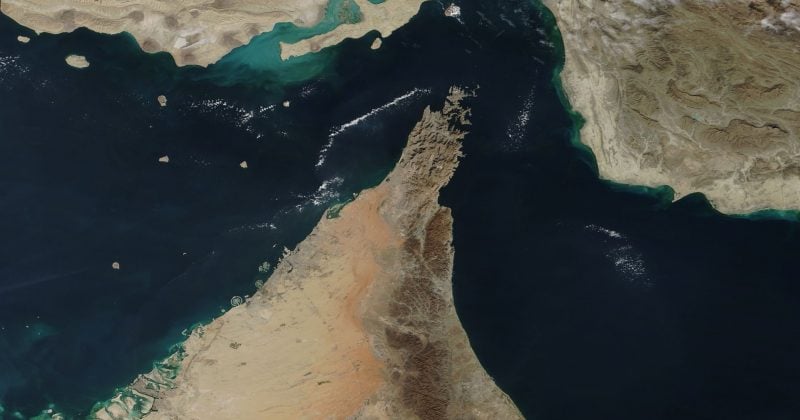
The conflict’s ripple effects extend well beyond Turkey’s borders. Risks to the Strait of Hormuz, through which roughly a fifth of the world’s oil supply passes, have introduced energy price volatility that touches every manufacturing economy with exposure to Middle Eastern trade routes.
May data offers a glimmer of recovery
The May numbers tell a markedly different story. Turkey’s PMI rebounded to 49.8, the highest level since March 2024 and a significant jump from April’s trough. Output returned to growth for the first time in several months. New export orders climbed after declining for 20 to 21 consecutive months. And purchasing activity increased for the first time in over two years.
Turkey is also positioning itself as an alternative trade hub in the region, a role that could provide long-term economic benefits even as it navigates short-term manufacturing pain.
What this means for crypto markets and investors
Turkey already ranks among the world’s most active crypto markets by adoption rate. The combination of elevated inflation, currency volatility in the Turkish lira, and now supply chain disruptions creates exactly the kind of environment where digital assets become attractive as hedging instruments and alternative payment rails.
Reports indicate growing crypto activity within the region as geopolitical tensions persist. No direct correlation between Turkey’s PMI data and specific crypto token performance has been established, but when local currencies face inflationary pressure and traditional banking channels slow down, stablecoins and other digital assets offer a parallel financial infrastructure that operates independently of the disruptions hitting physical supply chains.
Disclosure: This article was edited by Editorial Team. For more information on how we create and review content, see our Editorial Policy.








 English (US) ·