
 1 hour ago
18
1 hour ago
18
FIFA President Gianni Infantino tried to sell a piece of the World Cup to private investors. The world’s most powerful football confederations told him, in diplomatic terms, to forget about it.
UEFA publicly declared it has lost confidence in Infantino and announced it would review his plan to sell stakes in a new commercial subsidiary. The announcement caps one of the most turbulent weeks in recent FIFA history, one that saw a $20 billion proposal materialize, face a boycott threat, and collapse in roughly four days.
The $4.2 billion plan that lasted less than a week
Here’s what Infantino was selling. FIFA proposed creating a new entity called FIFA Forward Enterprise, or FFE, designed to manage commercial and operational rights for major tournaments including the World Cup. The valuation? A cool $20 billion.
The plan was to retain majority control while offloading up to 21% to private investors. That minority stake was expected to raise approximately $4.2 billion, earmarked for football development around the globe.
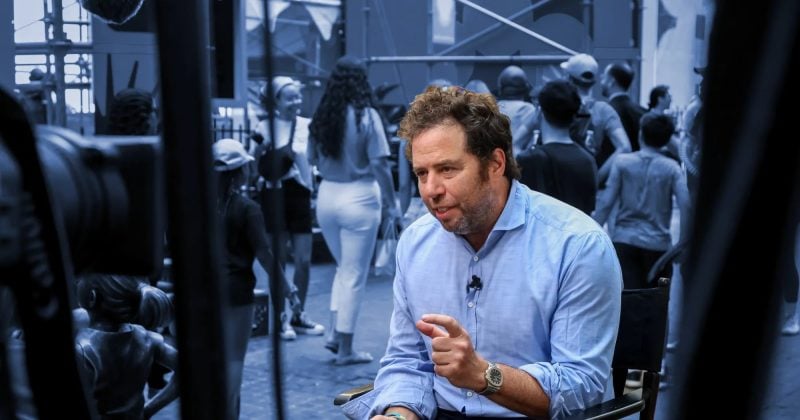
The lead investor lined up was Thrive Eternal, connected to entrepreneur Joshua Kushner. JPMorgan Chase was advising on the deal.
The proposal surfaced publicly around July 28, 2026. By July 31 to August 1, Infantino confirmed its cancellation. In English: FIFA’s biggest commercial play in decades survived roughly 72 hours of sunlight.
A united front against privatization
UEFA didn’t just express displeasure. It announced around July 30 that its member associations would boycott all FIFA competitions if the plan wasn’t dropped.
They weren’t alone. Concacaf and the Asian Football Confederation joined the revolt, creating a coalition that represented the vast majority of global football’s institutional power.
The backlash wasn’t purely external, either. Carlos Cordeiro, one of Infantino’s own advisers, reportedly resigned in protest. Accusations of deception circulated within FIFA’s ranks, suggesting that even internal stakeholders felt blindsided by the scope of the proposal.
Why this matters beyond the pitch
The failed FFE initiative also leaves a real funding gap. That $4.2 billion was supposed to support football development globally, particularly in smaller nations that depend heavily on FIFA distributions. Without it, FIFA needs to find alternative revenue streams or scale back its development ambitions.
Disclosure: This article was edited by Editorial Team. For more information on how we create and review content, see our Editorial Policy.





 English (US) ·