
 6 hours ago
19
6 hours ago
19
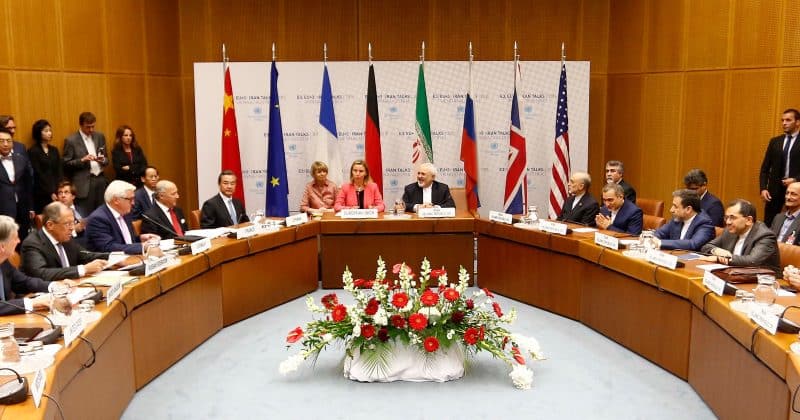
The United States and Iran have signed a memorandum of understanding aimed at dialing down a conflict that has rattled global markets and redrawn geopolitical alliances over the past year. The formal ceremony took place on June 19, 2026, in Switzerland, capping months of negotiations brokered in part by Pakistan’s Prime Minister Shehbaz Sharif.
The agreement, known as the Islamabad Agreement, lays out immediate confidence-building measures and kicks off a 60-day negotiation period focused on Iran’s nuclear program and broader sanctions architecture.
What the deal actually includes
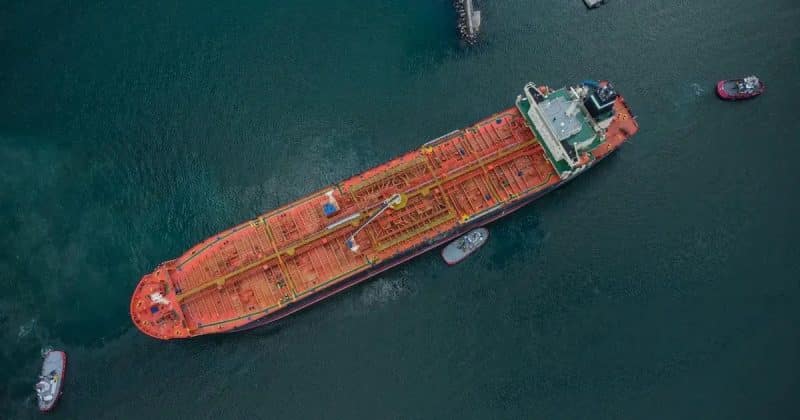
The MOU covers a handful of concrete, near-term actions. The Strait of Hormuz will be reopened to commercial traffic. The US naval blockade on Iranian ports will be lifted as part of the confidence-building framework.
On the economic side, the agreement outlines phased sanctions relief and the release of frozen Iranian assets.
Some elements remain under active discussion even after the signing. Potential tolls for passage through the Strait of Hormuz are still being hashed out, a detail that could have meaningful implications for global shipping costs and, by extension, commodity prices.
How we got here
Historical tensions between the US and Iran escalated into direct conflict during 2025 and into 2026. A ceasefire brokered by Pakistan was established in April 2026, creating the diplomatic runway needed for substantive talks. Pakistan’s Prime Minister Shehbaz Sharif played a mediation role in the negotiations.
On the US side, President Donald Trump’s team leaned on aides Steve Witkoff and Jared Kushner to navigate the negotiations. Iran’s delegation was led by Foreign Minister Abbas Araghchi, operating under the authority of Supreme Leader Mojtaba Khamenei.
What this means for markets and crypto investors
The MOU itself contains zero references to cryptocurrency, blockchain, or digital assets. There are no provisions for using crypto rails to facilitate sanctions relief, no blockchain-based verification mechanisms for nuclear compliance, and no digital asset carve-outs in the frozen asset release framework.
The phased nature of sanctions relief introduces a slow drip of liquidity back into global markets. Frozen Iranian assets being released over time, rather than all at once, means the market impact will be gradual rather than a single shock event.
One underappreciated risk: the tolling mechanism for Strait of Hormuz passage that remains under discussion. If implemented at meaningful levels, it could partially offset the supply benefit of reopening the waterway, keeping shipping costs elevated even as military tensions ease.
Disclosure: This article was edited by Editorial Team. For more information on how we create and review content, see our Editorial Policy.




 English (US) ·