
 1 hour ago
22
1 hour ago
22
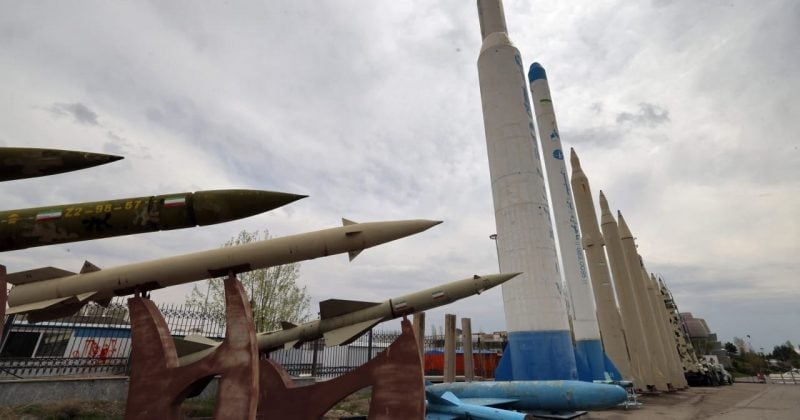
The US military launched airstrikes on northern Iran beginning July 13, targeting coastal defenses and military infrastructure in what amounts to the most significant escalation of the 2026 Iran conflict to date. Iranian officials report at least 35 dead and more than 300 wounded. The strikes accompanied a re-established naval blockade on Iranian ports, choking one of the world’s most critical shipping corridors.
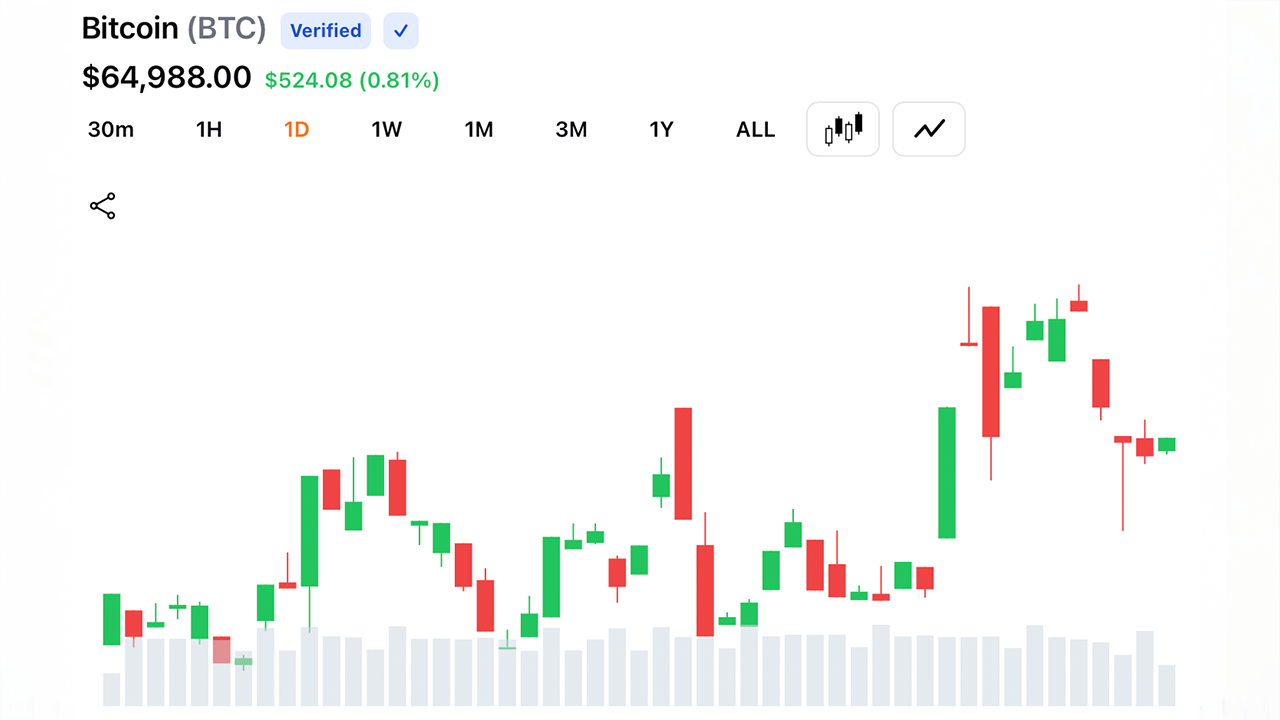
Bitcoin sold off by 2% or more on the escalation news, slipping below the $63,000 range. The intersection of digital assets with this particular conflict runs deeper than typical risk-off sentiment.
What happened and why it matters for markets
The airstrikes, which continued through at least July 15, targeted key military positions in northern Iran designed to project power over the Strait of Hormuz. The strait handles roughly a fifth of the world’s oil supply on any given day.
The US blockade is now actively targeting ships moving in and out of Iranian ports. That’s a direct escalation from the brief ceasefire forged in June 2026, which collapsed almost as quickly as it was signed. Hostilities in this conflict have been simmering since February 2026, but this week marked a decisive shift toward sustained military engagement.
Iran’s crypto toll booth in the Strait of Hormuz
Since March 2026, Iran has mandated that vessels transiting the Strait of Hormuz pay tolls denominated in cryptocurrency, including Bitcoin and stablecoins. The charges reportedly reach up to $2 million per vessel. Ships that refuse to pay face detention or seizure. Ships that comply route payments through crypto wallets that sit outside the traditional banking system, making them harder for Western authorities to intercept.
What crypto investors should watch
The immediate concern is volatility. Bitcoin’s 2% dips on escalation headlines might seem manageable in isolation, but stacked on top of each other during a sustained conflict, they compound into meaningful drawdowns for leveraged traders.
The second concern is regulatory. Iran’s use of crypto for Hormuz transit fees will almost certainly accelerate conversations in Washington and Brussels about tightening controls on digital asset flows.
The third factor is oil prices. A sustained blockade of the Strait of Hormuz drives energy costs higher, which feeds into inflation, which affects monetary policy expectations, which flows directly into how investors price risk assets like Bitcoin.
Iranian officials have signaled that retaliation is on the table, potentially involving missile or drone strikes on regional targets perceived as threats.
Disclosure: This article was edited by Editorial Team. For more information on how we create and review content, see our Editorial Policy.






 English (US) ·