
 8 hours ago
11
8 hours ago
11
The narrow waterway that handles roughly a fifth of the world’s oil supply is about to get a lot less dramatic. The US and Iran reached a preliminary agreement on June 15, 2026, at the G7 summit in France, committing to reopen the Strait of Hormuz and end the US blockade of Iranian ports.
What the deal actually says
The interim memorandum of understanding covers two core commitments: the US will cease its naval blockade of Iranian ports, and both sides will facilitate the full reopening of the Strait of Hormuz to commercial shipping.
Iranian Parliament Speaker Mohammad Bagher Ghalibaf signed on behalf of Iran. President Trump and Vice President JD Vance participated virtually from the US.
Trump announced that the strait would be fully open and toll-free by June 17, 2026. Ships, including oil-laden tankers, have already started moving through the partially reopened passage.
A formal signing ceremony is expected to take place later in Geneva. That event will coincide with the launch of 60 days of nuclear negotiations between Washington and Tehran.
G7 leaders, including French President Macron, endorsed the agreement. European nations pledged support for securing maritime traffic in the region.
This deal deliberately sidesteps the harder question. Iran’s nuclear program is deferred entirely to subsequent negotiations. The interim agreement is a ceasefire on commerce, not a resolution of the underlying conflict.
Why the Strait of Hormuz matters to everyone
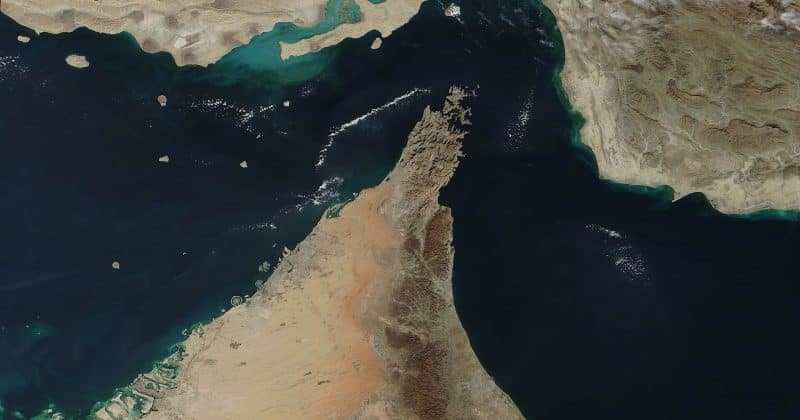
The Strait of Hormuz sits between Iran and Oman, connecting the Persian Gulf to the Gulf of Oman. The blockade had put significant pressure on global energy supply chains, elevating shipping costs and adding a geopolitical risk premium to oil prices.
The partial reopening has already begun to shift that calculus. Oil-laden vessels transiting the strait again means physical supply is starting to normalize, even before the full toll-free reopening Trump promised for June 17.
What this means for investors
The 60-day nuclear negotiation window introduces its own dynamic. Markets will be watching compliance with the interim terms as a leading indicator of whether the broader talks have any chance of succeeding.
The risk that deserves the most attention is the simplest one: this is an interim deal, not a final agreement. The nuclear question remains unresolved. The 2015 Iran nuclear deal took years to finalize and was eventually abandoned by the Trump administration in 2018 during his first term.
Disclosure: This article was edited by Editorial Team. For more information on how we create and review content, see our Editorial Policy.





 English (US) ·