
 1 hour ago
18
1 hour ago
18
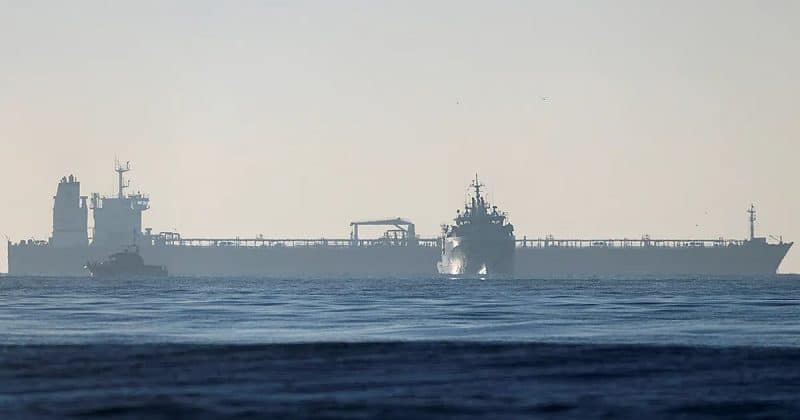
The United States and Iran have established a direct military hotline aimed at preventing further confrontations in the Strait of Hormuz, a critical global shipping lane. This initiative marks a significant step towards de-escalation and cooperation between the two nations following the recent US-Israel-Iran conflict that had closed the strait for over 100 days. The agreement, part of a broader ceasefire strategy, also includes preparations for de-mining operations in the area, a move that could potentially normalize shipping activities and aid in the recovery of global oil trade. The development reflects a shift from military tension to diplomatic engagement, with active participation from international allies such as France, the UK, Germany, and Japan.
Key Takeaways
- The establishment of a hotline between the US and Iran suggests a move towards de-escalation and cooperation in the Strait of Hormuz.
- Market pricing indicates a perceived increase in the likelihood of traffic normalization in the strait by July 31, with odds at 47.5% YES.
- The likelihood of a US invasion of Iran appears to be decreasing, with current odds at 12.5% YES, consistent with reduced military tensions.
What to Watch
Observers will be monitoring the implementation of de-mining efforts and the effectiveness of the hotline in preventing further military clashes. Developments in these areas may indicate progress towards normalizing Strait of Hormuz traffic. Additionally, any formal announcements from the Trump administration or the US military regarding Project Freedom could impact market perceptions of potential military escalation. The ongoing diplomatic dialogue between the US and Iran will be crucial in shaping future market expectations and geopolitical stability in the region.
Get prediction market intelligence as a structured API feed. Early access waitlist.
Disclosure: This article was edited by Estefano Gomez. For more information on how we create and review content, see our Editorial Policy.






 English (US) ·