
 2 hours ago
17
2 hours ago
17
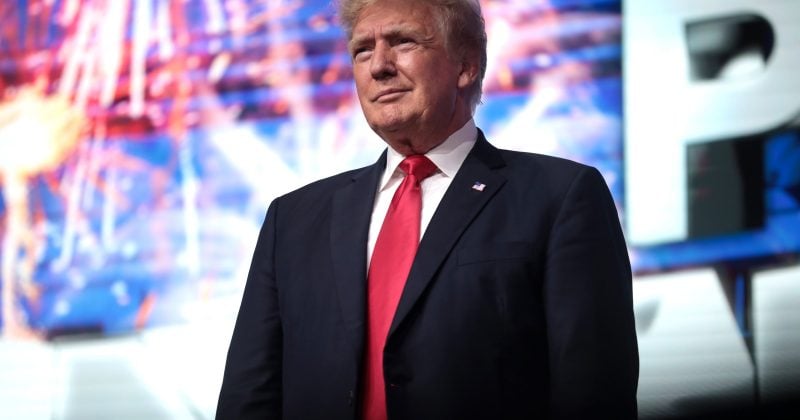
The fragile ceasefire between the US and Iran lasted less than a month. President Donald Trump declared the agreement “over” on July 14, following a week of escalating military exchanges that saw the US strike roughly 90 to 140 Iranian military targets. Iran responded with missile and drone attacks on US bases across the Gulf region. And crypto, as it does whenever geopolitical risk spikes, took the hit.
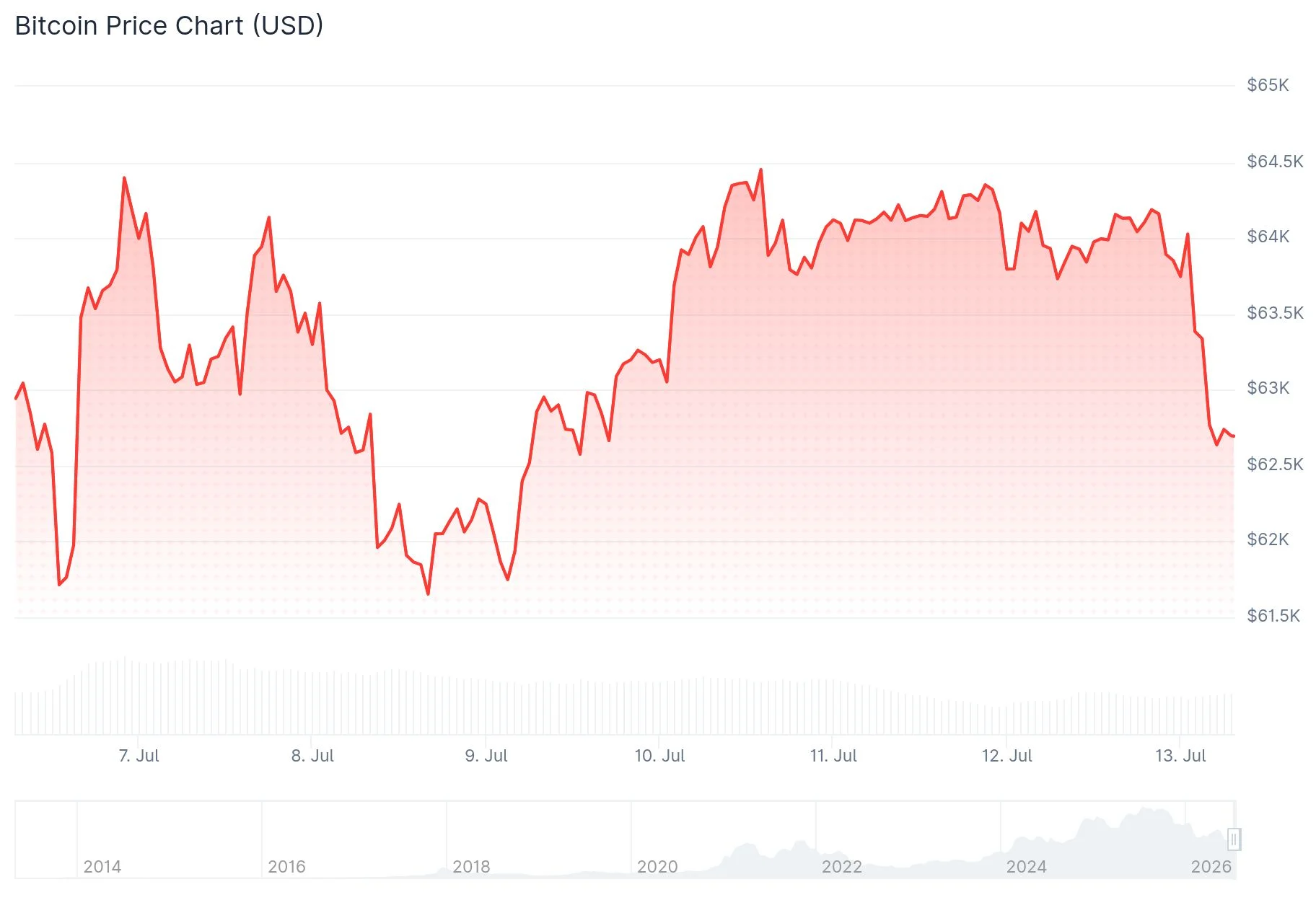
Bitcoin fell over 2%, trading near $62,000 as the news broke. Approximately $350 million in liquidations swept across the crypto market, catching leveraged traders on the wrong side of a conflict most thought was winding down.
What happened and why it matters
The renewed hostilities trace back to the Strait of Hormuz, one of the most strategically important chokepoints in global energy markets. Roughly a fifth of the world’s oil supply passes through it on any given day. Iranian forces attacked commercial shipping vessels transiting the strait, prompting the US military response between July 8 and July 13.
The US campaign targeted approximately 90 sites across Iran. Iran retaliated by launching missiles and drones at American military installations in Bahrain, Kuwait, and other locations in the Persian Gulf.
Trump’s declaration effectively killed an interim ceasefire that had been signed on June 17, 2026, between Trump and Iranian President Masoud Pezeshkian. That agreement had aimed to deescalate tensions and reopen shipping lanes that had been disrupted during earlier phases of the 2026 Iran conflict. The deal lasted 21 days.
Trump also floated the potential reinstatement of a naval blockade, which would represent a further escalation with significant implications for global energy prices.
The crypto market reaction
Bitcoin’s 2% decline to the $62,000 range reflects a risk-off move following the escalation. The $350 million in liquidations across various cryptocurrencies suggests a market that was heavily positioned for upside, with leveraged longs caught by a geopolitical event in mid-July.
Oil prices moved in the opposite direction, rising sharply as markets priced in potential supply disruptions from the Strait of Hormuz.
Background: the 2026 Iran conflict
The current hostilities are part of a broader pattern of escalation that has defined much of 2026. The conflict began on February 28, 2026, following US-Israeli airstrikes during nuclear negotiations. Iranian forces responded with missile and drone strikes, which led to blockades of the Strait of Hormuz. Following a brief ceasefire in April, an interim Memorandum of Understanding was reached in June to facilitate shipping and mitigate tensions. The June 17 ceasefire represented the most significant diplomatic breakthrough before its collapse, undermined by Iranian assaults on maritime trade.
What investors should watch
The naval blockade question is the single biggest variable for markets right now. If Trump follows through on reimposing a blockade of the Strait of Hormuz, the impact on global energy markets would be severe.
The $350 million liquidation figure suggests the market is now less leveraged than it was 48 hours ago, which reduces the risk of a further cascade.
Disclosure: This article was edited by Editorial Team. For more information on how we create and review content, see our Editorial Policy.





 English (US) ·