
 7 hours ago
9
7 hours ago
9
The United States and Iran have reached an interim agreement designed to halt hostilities and open formal negotiations over Iran’s nuclear program. The memorandum of understanding, announced around June 14-15, includes an immediate ceasefire and the reopening of the Strait of Hormuz for commercial shipping.
Markets responded exactly the way you’d expect when a major geopolitical flashpoint suddenly dims. Bitcoin rallied toward $67,000, hitting two-week highs, while oil prices slid to multi-month lows as fears of supply disruptions eased.
A formal signing is anticipated for June 19 in Switzerland. But the deal itself is a handshake, not a solution. The 60-day window it creates for nuclear discussions is where the real friction lives.
What the deal actually includes
The interim agreement covers three main pillars: an immediate ceasefire between US-aligned and Iranian forces, the reopening of the Strait of Hormuz, and a structured 60-day period for follow-up negotiations focused on Iran’s nuclear activities.
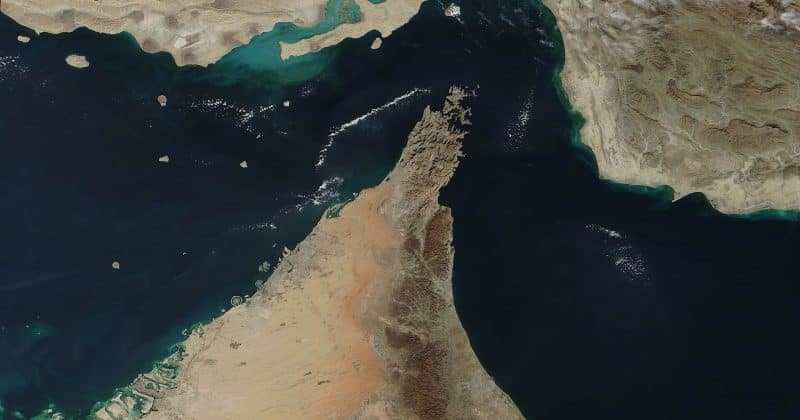
The Strait of Hormuz detail matters enormously. Roughly one-fifth of the world’s petroleum passes through that narrow waterway.
US officials have reported progress on the question of managing Iran’s highly enriched uranium stockpile, though Iran disputes certain aspects of how that uranium would be handled. That disagreement is the central tension that the next 60 days of talks are supposed to resolve.
The US withdrew from the Joint Comprehensive Plan of Action, commonly known as the Iran nuclear deal, back in 2018. That withdrawal set off a chain of events that culminated in heightened US-Israel operations against Iranian targets throughout 2025 and into 2026.
How crypto markets are reading the room
Bitcoin’s push toward $67,000 reflects a broader risk-on sentiment that swept across asset classes following the announcement. The rally wasn’t limited to Bitcoin. Gains spread across various crypto assets, suggesting this wasn’t a BTC-specific narrative but a macro-driven repricing of risk appetite.
Oil’s decline tells the other side of the same story. With the Strait of Hormuz reopening and ceasefire provisions in place, the risk premium that had been baked into crude prices began to unwind.
What this means for investors
The unresolved question of Iran’s enriched uranium stockpile is the single biggest variable. How much uranium Iran has enriched, to what purity, and what mechanisms would govern its drawdown or transfer are all points of active dispute.
Any eventual comprehensive deal would likely involve some form of sanctions relief for Iran. The structure of that relief, whether it involves unfreezing assets, easing trade restrictions, or enabling reconstruction funding, could have knock-on effects for global liquidity and capital flows.
The 2018 JCPOA collapse is a reminder that agreements involving Iran’s nuclear program can unravel even after they’re signed, let alone before the ink is dry.
Disclosure: This article was edited by Editorial Team. For more information on how we create and review content, see our Editorial Policy.






 English (US) ·