
 18 hours ago
18
18 hours ago
18
The Strait of Hormuz is one of those geographic chokepoints that makes energy traders sweat. Roughly one-fifth of the world’s oil passes through a narrow strip of water bordered by Iran on one side and the Arabian Peninsula on the other.
On July 17, US oil companies signed approximately $60 billion in agreements with the Iraqi government, formalized at the US Chamber of Commerce, aimed squarely at reducing that exposure.
What the deals actually cover
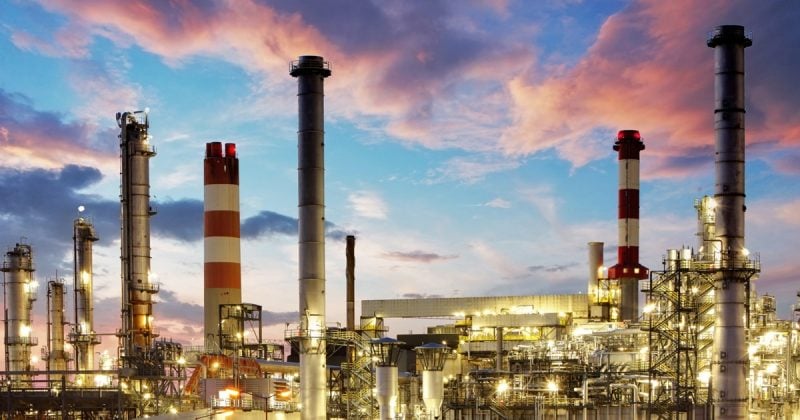
Chevron is the headliner here, signing three preliminary accords covering stakes in two major Iraqi oil fields: West Qurna-2 and Nasiriyah. Both fields hold billions of barrels in estimated recoverable reserves, putting them among the more consequential energy assets in the Middle East.
Chevron is also part of a consortium exploring a pipeline route to Syria’s Mediterranean coast. Instead of loading tankers in the Persian Gulf and threading them through Hormuz, Iraqi crude would move overland to a Mediterranean port, cutting the strategic risk almost entirely.
ConocoPhillips, HKN Energy, and Halliburton also joined the broader set of agreements, covering production development and infrastructure across Iraq’s energy sector.
The pipeline restart targets tied to these initiatives point to flows of 250,000 barrels per day, which would represent a meaningful addition to Iraq’s export capacity through non-Hormuz routes.
Why Hormuz keeps coming up
Disruptions in 2026 made that vulnerability impossible to ignore. The events pushed both producing nations and oil majors to accelerate conversations about pipeline alternatives that had been sitting in planning documents for years. Iraq, which depends on oil revenues for the vast majority of its government budget, had its own strong reasons to want a backup route.
Iraq has traditionally relied on oil exports via the southern Basra route, effectively using the Strait of Hormuz as a primary shipping corridor. In response to 2026 disruptions, Baghdad pursued alternative export strategies, including increasing utilization of the northern Kirkuk-Ceyhan pipeline, which sends oil to the Turkish Mediterranean port of Ceyhan, as well as exploring potential routes through Syria and Jordan.
The $60 billion commitment from US companies, formalized in Washington, aligns with statements from US officials on strengthening commercial ties with the Iraqi oil sector.
What this means for energy markets and investors
For broader energy markets, the significance is about supply resilience. A pipeline to the Mediterranean means Iraqi barrels can reach European buyers without passing through the Strait of Hormuz. The 250,000 barrels per day target for pipeline restarts is not a number that reshapes global supply on its own, but it matters as proof of concept for expanding alternative corridor capacity.
Halliburton’s involvement in the agreements points to a sustained services and infrastructure buildout, not just a headline investment. Preliminary accords are not final contracts, and investors watching Chevron’s Iraq exposure should track whether these accords convert into formal production-sharing agreements and on what timeline.
Disclosure: This article was edited by Editorial Team. For more information on how we create and review content, see our Editorial Policy.



 English (US) ·