
 1 hour ago
24
1 hour ago
24
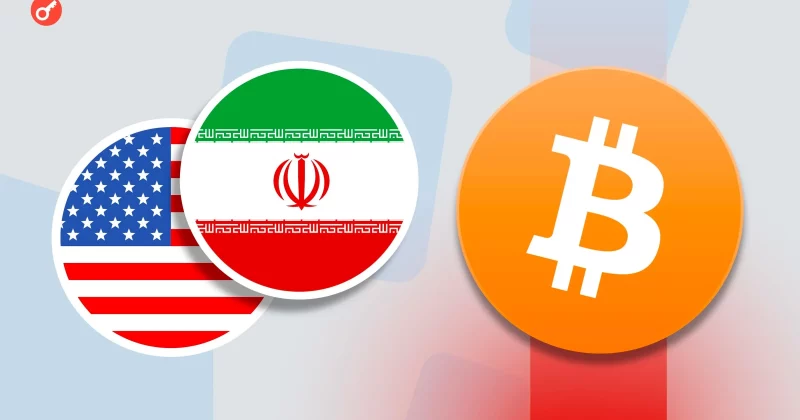
US Central Command carried out self-defense strikes against missile launch sites and Iranian boats in southern Iran on May 25, targeting positions near the strategically critical Strait of Hormuz. The strikes landed while American and Iranian diplomats were actively negotiating in Doha, a juxtaposition that sent a jolt through global risk markets, crypto included.
Bitcoin, which has been trading in a range between roughly $65K and $78K through April and May 2026, reacted to the news with the kind of whiplash traders have come to expect whenever “self-defense strikes” and “peace talks” appear in the same sentence.
What happened and why it matters
CENTCOM said the strikes targeted missile launch sites and mine-laying boats operating in southern Iran. The Strait of Hormuz, the narrow waterway through which roughly a fifth of the world’s oil supply passes, has been at the center of tensions for months.
The military action followed a ceasefire established on April 8, 2026, which itself came after a campaign of US-Israeli strikes that began on February 28. Iran complicated matters further by claiming it had downed a US drone. President Trump, for his part, struck an optimistic tone about the Doha negotiations, saying they were “proceeding nicely.”
The crypto connection: macro risk meets digital assets
Throughout April and May, Bitcoin’s price movements have tracked geopolitical headlines with surprising fidelity. Dips have coincided with strike threats or the rejection of peace proposals, while recoveries have followed de-escalation signals and progress in negotiations. The $65K-to-$78K range tells the story of a market caught between fear and hope.
Ahead of the Doha talks, the odds of a near-term peace deal climbed in prediction markets, which supported modest gains for BTC and broader digital assets. Traders are increasingly treating prediction market data as a leading indicator rather than noise.
Outflows of over $10 million from Iranian-linked crypto wallets were reported in early March 2026, following US strikes at the time. Iranian entities have reportedly been using cryptocurrency networks to move funds as traditional financial channels tighten under intensified sanctions. The scale and timing of those outflows, clustered around periods of military escalation, suggest that crypto infrastructure is playing a measurable role in how sanctioned nations navigate financial restrictions.
What this means for investors
Bitcoin continues to function as both a speculative risk asset and a perceived safe haven, sometimes in the same trading session. When strikes escalate, the initial reaction tends to be a sell-off as traders de-risk. If those strikes are followed by diplomatic signals, or by prediction markets pricing in a resolution, buyers step back in quickly.
The sanctions-evasion dimension is the longer-term risk to watch. The $10 million in outflows reported in March was notable enough to draw attention. Repeated patterns of that size, especially timed around military operations, could attract a regulatory response affecting trading volumes across the ecosystem.
For now, the Doha talks remain the key variable. Traders who are not monitoring the diplomatic calendar alongside their charts are flying blind.
Disclosure: This article was edited by Editorial Team. For more information on how we create and review content, see our Editorial Policy.




 English (US) ·