
 1 hour ago
16
1 hour ago
16
The Federal Reserve just handed one of Silicon Valley’s loudest techno-optimists a seat at the table where monetary policy meets the future of work. Marc Andreessen, co-founder of venture capital giant Andreessen Horowitz, has been appointed to co-lead a new task force examining how artificial intelligence will reshape productivity, employment, and ultimately the Fed’s own playbook.
Fed Chair Kevin Warsh announced the creation of five external task forces on July 9, positioning them as a modernization effort for the central bank’s approach to economic analysis. Andreessen’s assignment, the Productivity and Jobs task force, sits at the intersection of the Fed’s dual mandate: maximum employment and price stability.
Who’s on the team and what they’re doing
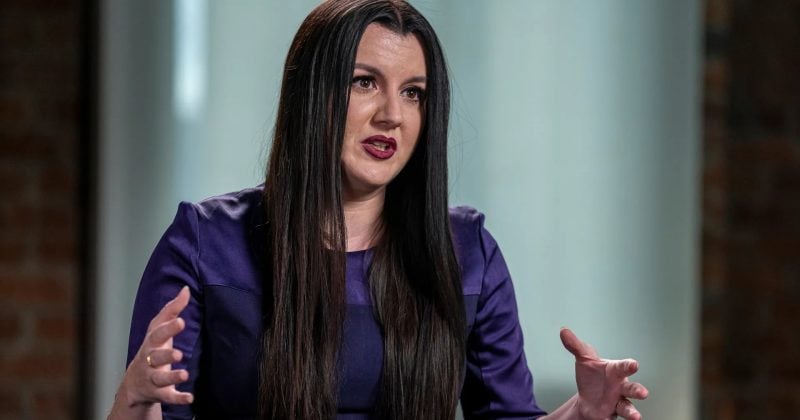
Andreessen won’t be working alone. He’ll co-lead the task force alongside Charles I. Jones, an economist at Stanford, and Asha Sharma, the CEO of Microsoft’s Xbox division.
The task force’s mandate is to evaluate how “new general-purpose technologies,” with AI front and center, affect the labor market and productivity growth. Those findings will then feed into broader recommendations about how the Fed should think about monetary policy in a world where automation can replace, augment, or create jobs at a pace regulators have never had to contend with before.
This is one of five task forces Warsh established simultaneously. The others cover areas like data sources and operational reforms, all part of what appears to be a concerted push to bring outside expertise into an institution that has traditionally relied on its own internal research apparatus.
Why the crypto world is paying attention
Here’s the thing about Andreessen: he’s not just an AI investor. He’s one of the most prominent advocates for Bitcoin and blockchain technology in the venture capital world. Andreessen Horowitz, commonly known as a16z, has poured substantial capital into crypto startups and digital asset infrastructure over the past decade. The firm launched dedicated crypto funds and has been vocal about the need for clearer, more innovation-friendly regulation in the US.
The task force’s official scope doesn’t explicitly mention digital assets or cryptocurrency. But putting Andreessen in a position to shape how the Fed thinks about technological disruption is, at minimum, a signal that the central bank is willing to engage with voices that have historically pushed back against regulatory caution around emerging technologies.
What this means for investors
No immediate policy changes were announced alongside the task force’s formation. These groups are designed to provide independent recommendations over time, not to rewrite the federal funds rate at their first meeting.
If Andreessen’s task force concludes that AI-driven productivity gains are substantial, that could influence how the Fed models potential GDP growth and, by extension, how aggressively it needs to manage inflation. Higher productivity growth generally gives central banks more room to keep rates lower for longer, which tends to benefit risk assets across the board, including crypto.
Disclosure: This article was edited by Editorial Team. For more information on how we create and review content, see our Editorial Policy.






 English (US) ·