
 1 hour ago
21
1 hour ago
21
The US military launched a significant package of airpower from Middle Eastern bases toward Iran, deploying F-35s, F-22s, KC-135 tankers, and E-3 Sentry AWACS aircraft in what marks one of the most visible American force projections in the region in years. For crypto markets, the timing matters: Bitcoin and Ethereum both saw sell-offs following the escalation.
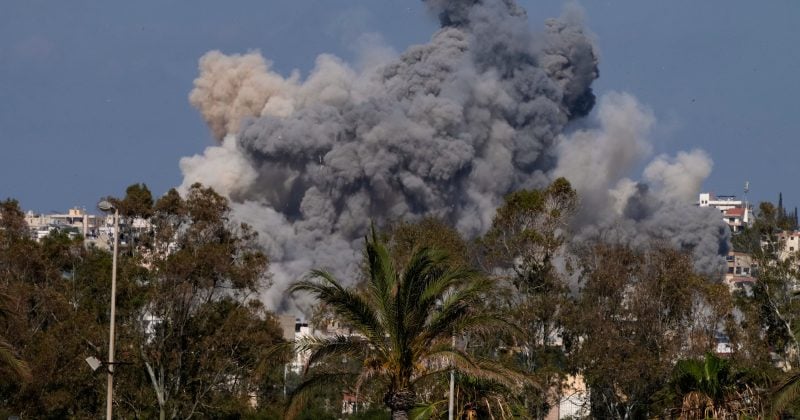
The US struck over 80 Iranian targets on July 7 and 8 in direct response to Iranian attacks on shipping lanes. More than a dozen military aircraft were tracked airborne during the strike package.
How we got here
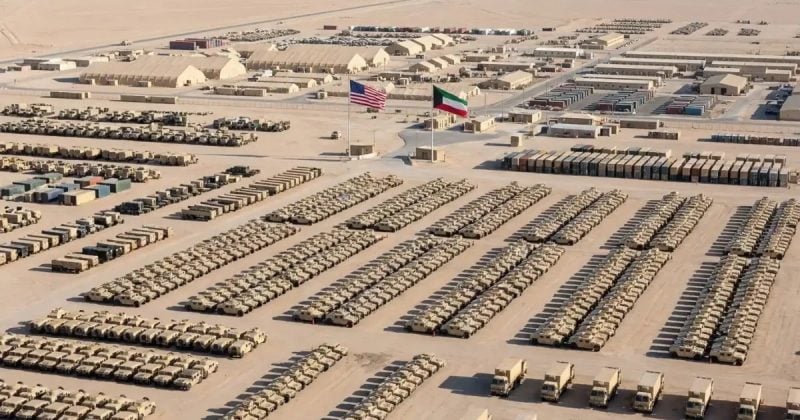
In March 2026, Iranian forces struck Prince Sultan Air Base in Saudi Arabia, damaging US E-3 AWACS and KC-135 tanker aircraft on the ground. A ceasefire attempt in June 2026 collapsed without holding, and within weeks the US had responded with its largest strike package of the conflict. The over-80-target figure covers a range of Iranian military infrastructure, and the deployment of both stealth aircraft like the F-22 and multirole fighters like the F-35 alongside tanker and surveillance assets signals a sustained air campaign rather than a one-off retaliatory strike.
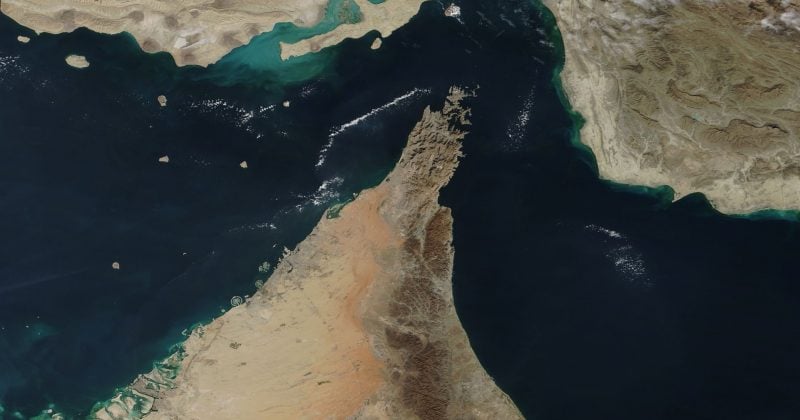
The Strait of Hormuz sits at the center of the strategic pressure. Roughly 20% of global oil supply transits that narrow waterway, and any sustained disruption would ripple through energy markets, shipping costs, and ultimately the broader macro environment that crypto trades against.
The Treasury’s parallel war: targeting Iranian crypto
In June 2026, the US Treasury designated Nobitex, Iran’s largest digital asset exchange, as part of an effort to cut off sanctions evasion through crypto channels. The designation froze hundreds of millions in digital assets connected to the platform.
Nobitex is the dominant domestic crypto trading platform inside Iran, which means the designation has practical consequences for ordinary Iranian users as well as for the government-linked entities the Treasury was actually targeting. The designation landed just weeks before the July military strikes, creating a combined effect on Iranian access to hard assets, both physical and digital.
What this means for crypto investors
The July 2026 military escalation produced noticeable sell-offs in both Bitcoin and Ethereum. In the immediate term, the data from July 2026 suggests the risk-off trade dominated.
The Nobitex designation adds another layer of complexity. Actions that remove significant trading volume from the global crypto ecosystem can affect liquidity and sentiment. Any exchange that has been processing transactions connected to Nobitex now faces compliance exposure.
Traders should watch two specific triggers from here. First, any indication that the Strait of Hormuz faces active interdiction would likely accelerate both oil price spikes and crypto volatility. Second, additional Treasury designations targeting crypto infrastructure connected to Iranian entities could further restrict liquidity for certain token pairs and pressure exchange compliance teams globally.
Disclosure: This article was edited by Editorial Team. For more information on how we create and review content, see our Editorial Policy.






 English (US) ·