
 1 hour ago
32
1 hour ago
32
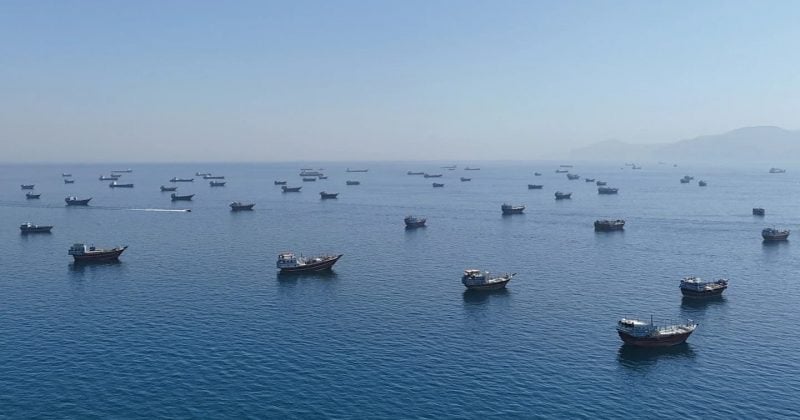
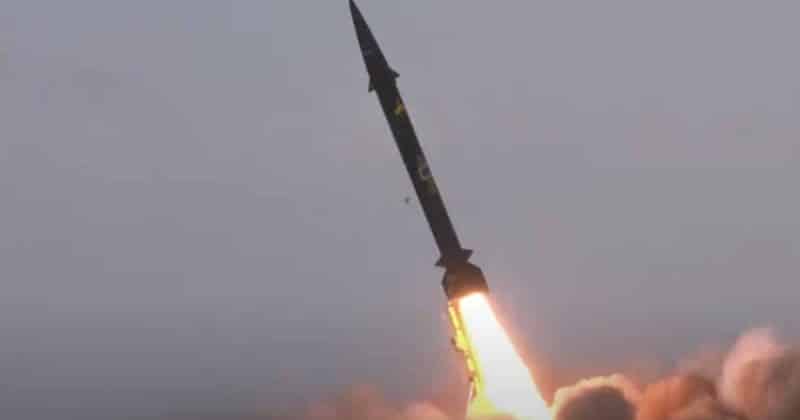
US Central Command confirmed it shot down two Iranian one-way attack drones near the Strait of Hormuz on June 6-7, marking the latest escalation in a conflict that refuses to stay quiet despite an April 2026 ceasefire. The drones were targeting commercial vessels in a waterway responsible for roughly 20% of global seaborne oil shipments.
CENTCOM described the drones as posing an “immediate threat to international maritime traffic.” No damage was reported to commercial ships or US military assets during the encounters.
Six drones in two days
The June 6-7 intercepts didn’t happen in isolation. The day before, on June 5, US forces downed four additional Iranian drones in the same vicinity.
In retaliation for the earlier drone incidents, US forces struck Iranian radar sites on Qeshm Island and at Goruk. Hitting radar infrastructure degrades Iran’s ability to coordinate future drone operations.
These incidents follow a ceasefire reached in April 2026 between the US and Iran.
Iran’s Bitcoin-backed shipping insurance play
Running parallel to these military operations is Iran’s development of a Bitcoin-backed maritime insurance platform called “Hormuz Safe,” first reported in May 2026. Iran wants to offer insured shipping passage through the Strait of Hormuz with transactions denominated in Bitcoin, effectively building a sanctions-resistant financial layer around one of the most strategically important waterways on Earth.
Traditional maritime insurance has become increasingly expensive and difficult to obtain for vessels transiting the Strait during periods of conflict. Sanctions have further complicated the picture by cutting off Iranian-linked entities from conventional financial infrastructure. A Bitcoin-denominated insurance product would theoretically sidestep both problems.
What this means for investors
No significant Bitcoin price movements have been tied directly to the June escalation. Historically, geopolitical confrontations involving the US and Iran have triggered short-term Bitcoin volatility, with past instances of military escalation in the region seeing Bitcoin experience price dips as traders rotated into traditional safe havens.
If Iran successfully launches a functioning Bitcoin-backed insurance product for maritime shipping, it would likely accelerate regulatory scrutiny of Bitcoin’s role in circumventing international sanctions regimes. The US Treasury and OFAC have been steadily expanding their toolkit for tracking and penalizing crypto-facilitated sanctions violations.
Energy traders should also be watching closely. Any sustained disruption to Strait of Hormuz shipping would spike oil prices. Higher energy costs increase Bitcoin mining expenses, potentially pressuring miners’ margins, while oil price shocks have occasionally driven flows into Bitcoin as a hedge.
Disclosure: This article was edited by Editorial Team. For more information on how we create and review content, see our Editorial Policy.






 English (US) ·