
 1 hour ago
15
1 hour ago
15
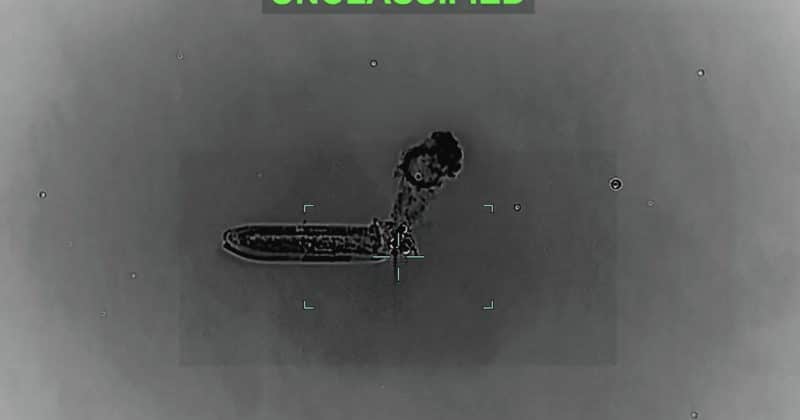
US military forces fired two Hellfire missiles into the engine room of an oil tanker in the Gulf of Oman late on June 10, disabling the vessel after it allegedly attempted to bypass the American blockade on Iranian oil exports. The Guinea-Bissau-flagged MT Jalveer becomes the ninth commercial tanker struck since the blockade began in April 2026.
US Central Command confirmed the strike occurred at 11:20 PM ET. Twenty Indian seafarers were aboard the vessel at the time.
It was the third US strike on a commercial vessel in a single week.
What happened and why it matters
The MT Jalveer was reportedly transporting oil from Iran when it ignored directions from US forces and continued its course. CENTCOM characterized the strike as part of ongoing operations to enforce the Iranian port blockade.
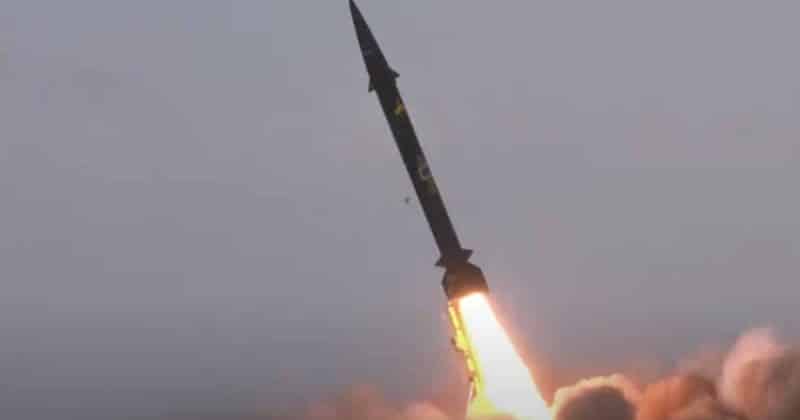
Two precision-guided Hellfire missiles targeted the tanker’s engine room, a deliberate choice designed to immobilize the vessel without sinking it.
Conflicting reports have emerged regarding casualties. While CENTCOM’s statement focused on disabling the vessel, some sources have cited fatalities among Indian nationals involved in related maritime incidents during the same week. The Indian government has not issued a formal public response in available reporting.
The broader context: two months of escalation
The US blockade on Iranian oil exports launched in April 2026. What began as naval patrols and warnings has evolved into direct kinetic action against vessels flagged by third-party nations. Guinea-Bissau is a West African country whose ship registry is commonly used as a flag of convenience by international shipping operators.
The use of Hellfire missiles, typically deployed from aircraft or drones, indicates the strikes are being conducted with air assets rather than ship-to-ship engagements.
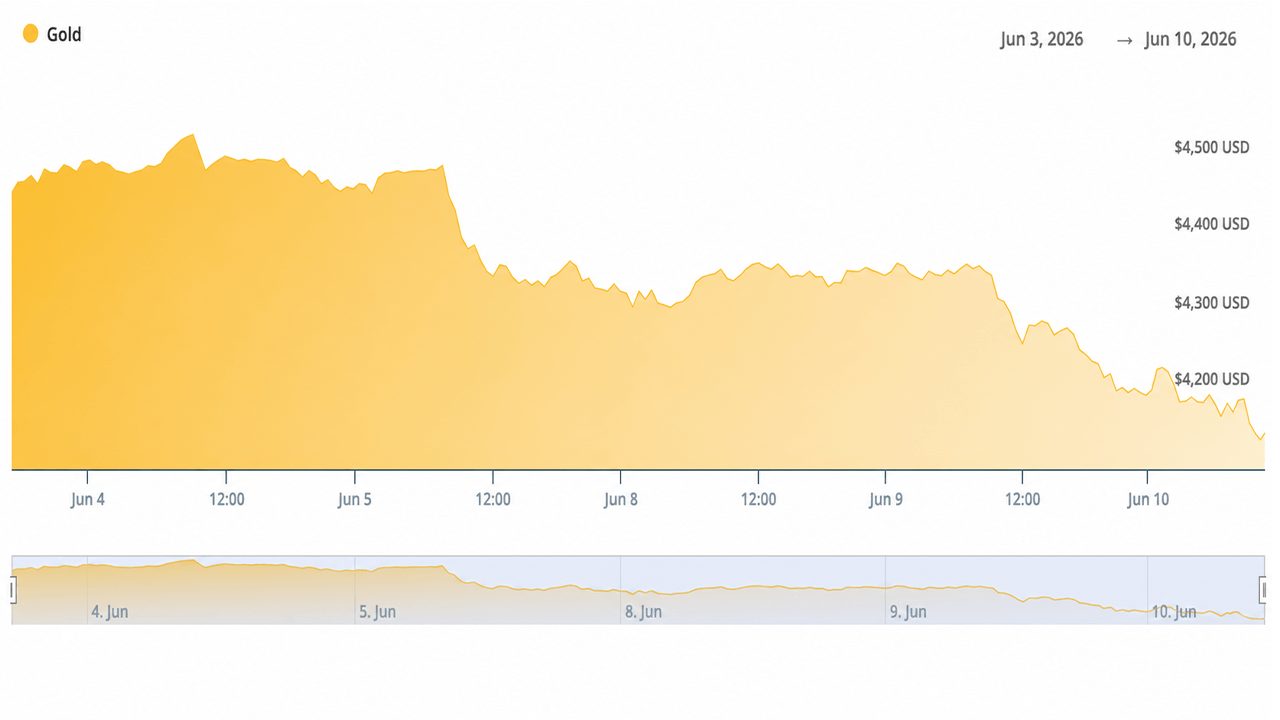
What this means for markets and crypto investors
For crypto investors, Bitcoin mining operations are directly exposed to electricity prices, and any sustained increase in energy costs compresses miner margins. If Gulf of Oman tensions push oil and natural gas prices meaningfully higher, mining economics shift, particularly for operators without fixed-rate power contracts.
Disclosure: This article was edited by Editorial Team. For more information on how we create and review content, see our Editorial Policy.






 English (US) ·