
 6 hours ago
19
6 hours ago
19
A senior US official confirmed that the full details of a newly agreed US-Iran memorandum of understanding will be made public within 24 to 48 hours. The announcement caps a weekend of diplomatic breakthroughs that sent Bitcoin surging to nearly $66K as traders priced in a meaningful reduction in Middle Eastern geopolitical risk.
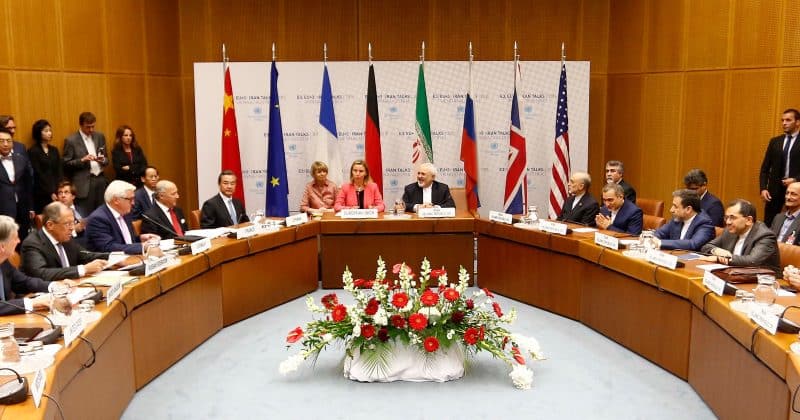
The MOU text was finalized over the June 14-15 weekend, with a formal signing scheduled for June 19 in Geneva, Switzerland.
What’s in the deal
The agreement centers on a straightforward, if ambitious, exchange. Iran commits to never procuring or developing nuclear weapons. In return, the US offers phased, performance-based sanctions relief, including the potential release of $24-25 billion in frozen Iranian assets.
There’s also a provision requiring Iran to keep the Strait of Hormuz open for international trade. That waterway handles roughly a fifth of the world’s oil supply on any given day.
A 60-day technical period is expected to follow the signing, during which the finer details of Iran’s nuclear program commitments will be hammered out. The phased approach is deliberate. Rather than a single grand bargain, the MOU creates a series of checkpoints where compliance triggers additional economic relief.
Why crypto markets are paying attention
Bitcoin’s move toward $66K over the weekend wasn’t random. Geopolitical de-escalation, particularly in the Middle East, tends to reduce the risk premium baked into global asset prices. When the probability of a military conflict involving a major oil-producing nation drops, capital flows toward risk assets.
Just two weeks before the MOU announcement, on June 2, the US Treasury imposed sanctions on Nobitex, Iran’s largest cryptocurrency exchange. That action signaled the US government’s continued willingness to crack down on digital asset infrastructure it views as facilitating sanctions evasion.
The MOU and the Nobitex sanctions are two sides of the same coin. The US is offering Iran an economic on-ramp through legitimate channels while simultaneously closing off the back doors.
What this means for investors
The 60-day technical period following the June 19 signing will be the first real test. If negotiations stall or if either side publicly questions the other’s commitment, the geopolitical risk premium comes right back.
The Nobitex sanctions from June 2 are instructive here. Even as the US pursues diplomacy, its financial enforcement apparatus continues to tighten the screws on crypto platforms it deems problematic.
The $24-25 billion in frozen assets represents real economic firepower. If released on schedule, those funds could meaningfully impact regional capital flows. Energy markets will likely see the most direct effect, given Iran’s role as a major oil producer.
Watch the June 19 signing closely. The formal ceremony will likely be accompanied by joint statements that give markets their first real look at enforcement mechanisms and timelines.
Disclosure: This article was edited by Editorial Team. For more information on how we create and review content, see our Editorial Policy.





 English (US) ·