
 1 hour ago
18
1 hour ago
18
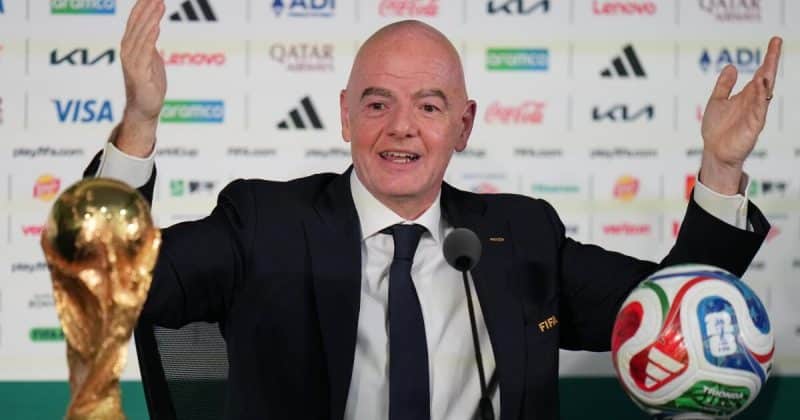
The world’s biggest sporting event arrived in the US on June 11, and so did a diplomatic headache. As the 2026 FIFA World Cup kicked off with its first matches, Homeland Security Secretary Markwayne Mullin stepped in front of cameras to defend a string of visa denials that have already cast a shadow over the tournament’s opening days.
The message from Mullin was straightforward: the US consulted with FIFA beforehand, the denials were targeted at specific individuals flagged for security concerns, and no players or coaches have been turned away.
Who got denied, and who didn’t
The most prominent case involves Somali referee Omar Abdulkadir Artan, who was detained at Miami Airport for more than 11 hours before ultimately being denied entry to the country. Mullin cited concerns over “criminal ties” and security vetting as the basis for such decisions, though he did not elaborate on the specifics of Artan’s case.
Iraqi photographer Talal Salah faced a similar fate at Chicago O’Hare Airport. Yet Iraqi player Aymen Hussein was allowed into the country without issue, a detail the administration has pointed to as evidence that these denials are individually targeted rather than nationality-based.
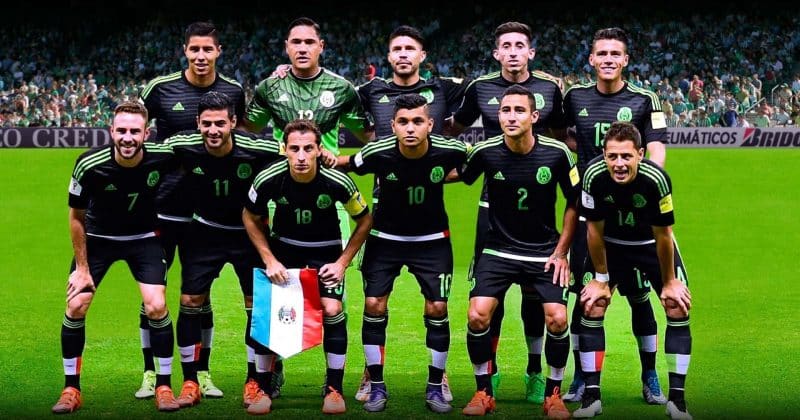
Mullin emphasized that all players and coaches from the 35-plus participating teams have been granted entry. The denials, he said, were directed specifically at officials deemed to present security risks.
The biggest World Cup ever, with the biggest security footprint
The 2026 World Cup is the first in history to feature 48 teams, a significant expansion from the 32-team format that had been standard since 1998. The tournament is split across three host nations: the US, Canada, and Mexico.
A total of 78 matches will be played on American soil, including knockout stage games. DHS has framed its approach as proportional to that scale.
The administration’s position is that it consulted closely with FIFA before making these calls. FIFA has not publicly challenged the denials.
Broader immigration policy meets global sport
The Trump administration has maintained and in some cases expanded immigration restrictions targeting several nations, including Somalia and Iran. Both countries have teams or officials participating in the World Cup, creating an inherent tension between national security posture and international sporting diplomacy.
The fact that Mullin held a press briefing specifically to address the issue suggests the administration anticipated blowback and wanted to get ahead of the narrative.
Disclosure: This article was edited by Editorial Team. For more information on how we create and review content, see our Editorial Policy.



 English (US) ·