
 54 minutes ago
18
54 minutes ago
18
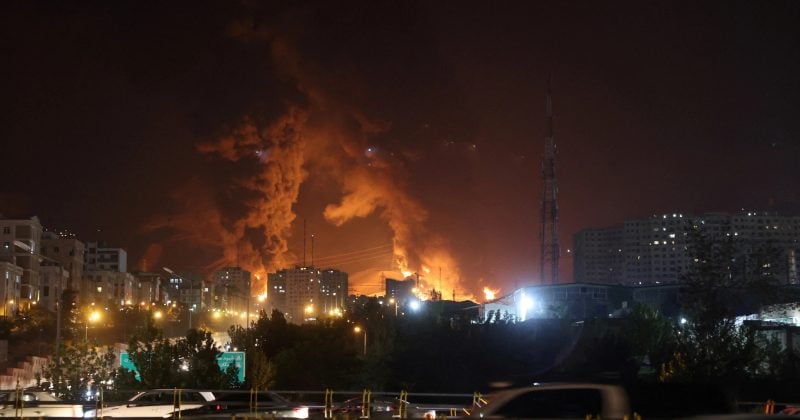
Crude oil prices have increased this week following the collapse of the ceasefire between the United States and Iran. Brent crude reached $80.09 per barrel, a 0.62% rise from the previous day. The ceasefire breakdown, triggered by attacks on commercial shipping in the Strait of Hormuz, has escalated geopolitical tensions. Despite this spike, ING economist James Knightley suggests that the impact on US gas pump prices will likely be minimal due to supply buffers and market expectations of a well-supplied environment.
Key Takeaways
- Markets appear to interpret the ceasefire collapse as consistent with increased geopolitical risks, potentially supporting higher crude oil prices.
- Pricing in markets such as the “Crude Oil All Time High Predictions” suggests limited immediate expectation for crude oil to reach new highs, with September and December sub-markets at 5% and 12% YES, respectively.
- WTI crude oil prices for July are priced at low probabilities of hitting high targets, with only a 21.7% YES for reaching $90, indicating skepticism about significant upward movement this month.
What to Watch
Key indicators to monitor include announcements from OPEC+ regarding production cuts, which could further influence oil prices. Additionally, any changes in geopolitical dynamics, such as new US-Iran negotiations or further escalations, may alter market expectations. Observers will also await updates on global oil demand forecasts, which could impact pricing in the coming months.
Get live prediction-market analysis, powered by Vera. Sign up for Vera.
Disclosure: This article was edited by Estefano Gomez. For more information on how we create and review content, see our Editorial Policy.






 English (US) ·