
 1 hour ago
9
1 hour ago
9
The US economy added 172,000 jobs in May, roughly double what economists expected. And just like that, the conversation around Federal Reserve policy flipped from “when do they cut” to “when do they hike.”
The jobs report, released on June 5, blew past consensus forecasts of approximately 85,000 new nonfarm payrolls. The unemployment rate held steady at 4.3%, and prior months’ figures were revised upward.
Markets reprice everything
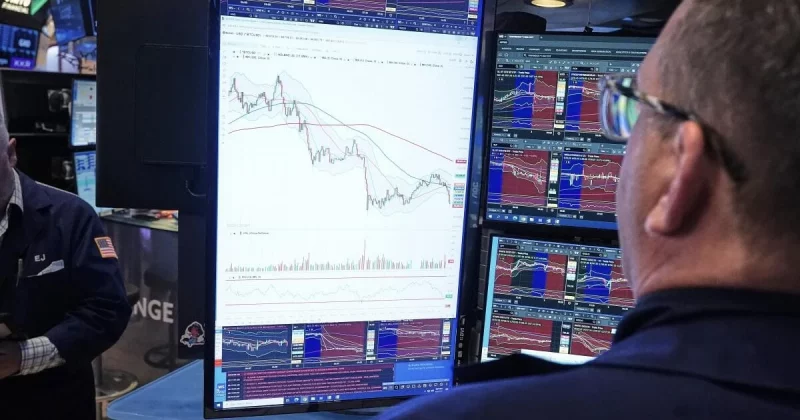
Traders moved fast. On the CME FedWatch tool, the probability of a quarter-point rate hike by December 2026 surged to roughly 68%, up from 52% before the report landed.
Two-year Treasury yields climbed by about 9 to 13 basis points, settling in the range of 4.13% to 4.17%.
Crypto takes the hit
The total digital asset market cap dropped by approximately $390 billion in the week surrounding the jobs report. Bitcoin settled into a range between $61,000 and $62,000 after the selloff, while Ether also faced substantial declines.
When Treasury yields rise, safe government bonds become more attractive relative to volatile assets like crypto. Capital flows toward guaranteed returns and away from speculative bets. When two-year Treasuries offer north of 4%, every basis point higher makes the opportunity cost of holding Bitcoin steeper.
This dynamic played out repeatedly during the 2022-2023 hiking cycle, when Bitcoin fell from its all-time high near $69,000 to below $16,000.
What this means for investors
During periods of monetary tightening, institutional allocators tend to reduce exposure to high-volatility assets. Retail traders, meanwhile, often get squeezed by margin costs that rise alongside benchmark rates.
Disclosure: This article was edited by Editorial Team. For more information on how we create and review content, see our Editorial Policy.







 English (US) ·