
 1 hour ago
17
1 hour ago
17
The Strait of Hormuz is back open for business, more or less. Following a US military operation and a temporary peace agreement with Iran, oil flows through the critical waterway have climbed back above 10 million barrels per day, recovering a significant portion of the volume that evaporated when tensions escalated earlier this year.
The numbers tell the story. Before conflict disrupted shipping in late February 2026, the strait was moving roughly 20 million barrels per day. That figure collapsed. Now, thanks to a combination of military escorts and diplomatic maneuvering, flows are clawing their way back toward those pre-conflict levels.
What the US military actually did
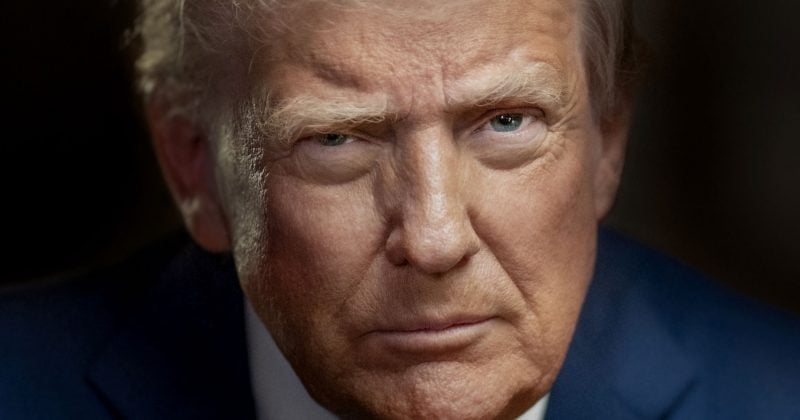
On June 10, 2026, President Trump announced that the US military had completed what he called a “secret mission” to protect commercial shipping through the strait. The operation, by Trump’s account, allowed more than 200 commercial vessels and over 100 million barrels of oil to transit safely in the preceding month.
That works out to roughly 3.3 million barrels per day during that window, which is meaningful but still well below pre-conflict norms.
The strait connects the Persian Gulf to the Gulf of Oman and, ultimately, to global energy markets. About one-fifth of the world’s oil supply has historically passed through this 21-mile-wide chokepoint at its narrowest point.
By mid-to-late June, the recovery had accelerated. US Energy Secretary Chris Wright stated that flows reached approximately 20 million barrels in a single 24-hour period as of June 24, 2026, approaching the pre-war average. The interim peace deal between the US and Iran appears to have been the catalyst that unlocked the more substantial recovery.
Iran’s unusual toll: crypto or nothing
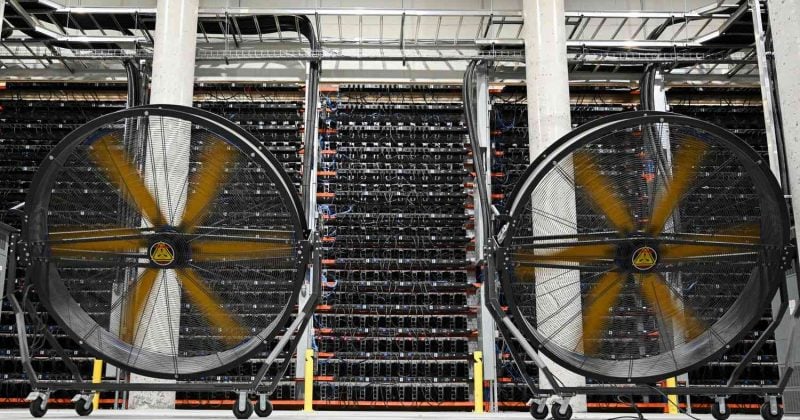
Iran has been charging vessels for safe passage during the ceasefire period, and it is not accepting wire transfers. The payments are in cryptocurrency, primarily Bitcoin and Tether, with fees reaching up to $2 million per vessel.
The crypto payment requirement is not entirely surprising given the sanctions environment Iran operates within. Conventional banking channels are largely closed to Tehran, so demanding payment in decentralized digital assets sidesteps the financial system that sanctions are designed to weaponize.
What this means for oil markets and investors
The current arrangement rests on an interim peace deal, not a durable settlement. Iran’s behavior, including the crypto toll system, suggests it views the ceasefire as a revenue opportunity rather than a strategic pivot.
Shipping companies and their insurers are navigating a genuinely novel risk calculus. The cost of transit now includes a crypto payment of up to $2 million per vessel, layered on top of war risk insurance premiums that have almost certainly surged since February.
The situation also puts pressure on the broader sanctions regime around Iran. If Tehran can generate meaningful revenue from crypto passage fees, it partially offsets the economic isolation that sanctions are designed to impose.
Disclosure: This article was edited by Editorial Team. For more information on how we create and review content, see our Editorial Policy.





 English (US) ·