
 4 hours ago
10
4 hours ago
10
America’s emergency oil stash is running dangerously thin. The Strategic Petroleum Reserve, the country’s insurance policy against energy crises, has fallen to roughly 349.2 million barrels as of early June 2026, its lowest point in 43 years.
To put that in perspective, the SPR was created in 1975 after the Arab oil embargo left Americans waiting in gas lines. It peaked at around 727 million barrels in 2009. Today’s level represents less than half of that high-water mark.
What’s draining the reserve
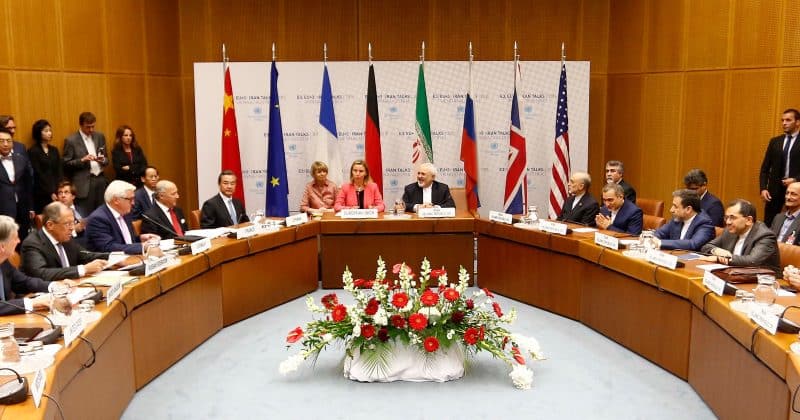
The biggest culprit is the ongoing US-Iran conflict, which escalated around late February 2026. Since then, more than 50 million barrels have been pulled from the reserve to offset supply disruptions tied to tensions around the Strait of Hormuz, one of the world’s most critical oil chokepoints.
Weekly releases have averaged between 8 and 9 million barrels.
Oil prices have already reflected the anxiety. During recent geopolitical flare-ups, crude spiked above the $90 to $100 per barrel range.
Trump’s domestic production gamble
President Trump has leaned heavily into boosting domestic oil output as a counterweight. US crude oil production reached a record 13.6 million barrels per day in 2025 under his administration’s energy-friendly policies.
Gas prices averaged around $2.90 per gallon earlier in 2026, despite ongoing SPR drawdowns.
The administration faces a classic policy dilemma. Refilling the reserve means buying oil, which pushes prices up. Continuing to drain it keeps prices lower in the short term but increases vulnerability to supply shocks.
Why crypto investors should care
Oil price spikes act like a tax on the entire economy. When gas gets more expensive, consumers spend less on everything else. Consumer spending drives roughly 70% of US GDP.
Bitcoin and other digital assets have shown sensitivity to oil price fluctuations driven by geopolitical events during the Iran crisis. Higher energy costs feed directly into inflation data, which influences Federal Reserve policy on interest rates.
Conversely, some Bitcoin advocates argue that monetary instability and geopolitical chaos actually strengthen the case for decentralized, non-sovereign stores of value. That thesis has been tested repeatedly over the past several years with mixed results. Bitcoin sometimes acts as a hedge against chaos. Other times, it sells off alongside everything else.
Disclosure: This article was edited by Editorial Team. For more information on how we create and review content, see our Editorial Policy.







 English (US) ·