
 2 hours ago
21
2 hours ago
21
The US has reportedly burned through nearly all of its long-range precision missiles during the ongoing military campaign against Iran, even as the White House insists stockpiles remain sufficient and production is running at historic highs.
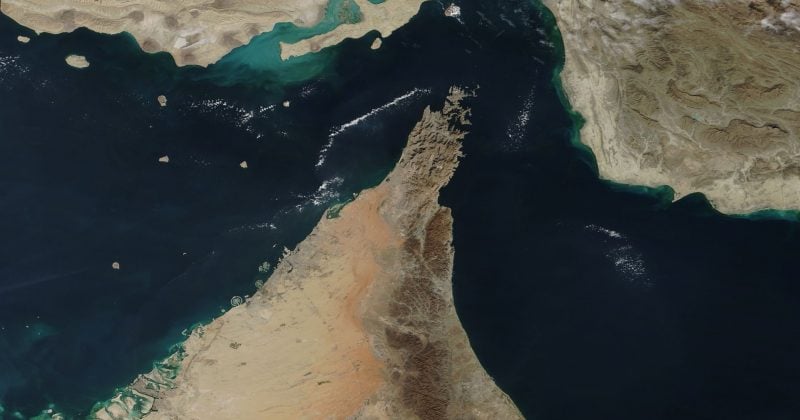
Operation Epic Fury, launched in early March 2026, has targeted Iranian ballistic missile sites, naval assets, and key infrastructure across the country. The campaign represents the most intensive use of US precision munitions since the conflicts of the early 2000s.
Risk-off sentiment slams digital assets
Bitcoin and other digital assets have slid in value as the conflict intensifies. The correlation between rising crude prices and declining crypto valuations has become one of the defining market dynamics of mid-2026.
Traders watching the situation should note that volatility is likely to persist as long as the military campaign continues. The intersection of commodity price shocks and risk-off sentiment creates a particularly hostile environment for assets that rely on speculative appetite to maintain valuations.
Iran turns to crypto for sanctions evasion
Crypto outflows linked to Iranian entities exceeded $10 million shortly after the initial US airstrikes began. The flows reportedly involved Bitcoin, stablecoins, and other digital assets being moved through wallets associated with Iranian regime operations, including entities tied to the Islamic Revolutionary Guard Corps.
US authorities have responded by imposing sanctions on Iran-linked crypto wallets connected to the IRGC. This represents an escalation in the Treasury Department’s approach to digital asset enforcement, moving beyond exchange-level actions to target specific on-chain addresses associated with hostile state actors.
The documented flows underscore a broader reality: blockchain’s transparency is a double-edged sword. The same on-chain visibility that allows researchers to track Iranian outflows also provides a roadmap for regulators who want to tighten the screws on exchanges and platforms that, knowingly or not, facilitate transactions for sanctioned entities.
Defense spending and production realities
The White House has maintained that missile inventories are adequate and that production facilities are operating at record rates. If the US has indeed consumed most of its long-range precision missile stockpiles, defense contractors would need to ramp production even further, which means more government spending, which means more debt issuance, which means more pressure on bond markets.
What investors should be watching
The regulatory fallout from Iran’s crypto usage could be the most durable market impact of this conflict. Every documented instance of sanctions evasion via digital assets gives ammunition to lawmakers who want stricter compliance requirements for exchanges operating in or serving users from high-risk jurisdictions.
Exchanges that handle significant volumes from regions near the conflict zone should expect increased scrutiny. Know-your-customer and anti-money-laundering requirements could tighten meaningfully if investigations into the $10 million-plus in Iranian-linked outflows reveal compliance gaps at major platforms.
The competitive landscape may shift toward exchanges that have already invested heavily in compliance infrastructure. Platforms like Coinbase and Kraken, which have long positioned themselves as regulation-friendly, could benefit relative to offshore competitors that operate with lighter oversight.
Oil price movements remain the most immediate indicator to watch. As long as crude continues climbing on supply disruption fears, the risk-off trade that’s pressuring crypto is unlikely to reverse.
Disclosure: This article was edited by Editorial Team. For more information on how we create and review content, see our Editorial Policy.







 English (US) ·