
 2 hours ago
28
2 hours ago
28
The United States presented a draft resolution to the International Atomic Energy Agency on June 7, 2026, demanding that Iran immediately hand over detailed information about its nuclear material stockpiles and grant inspectors full access to facilities that have been off-limits since airstrikes hit them a year ago.
The resolution describes the demands as “essential and urgent,” arriving just ahead of the IAEA Board of Governors’ quarterly meeting.
What the resolution actually asks for
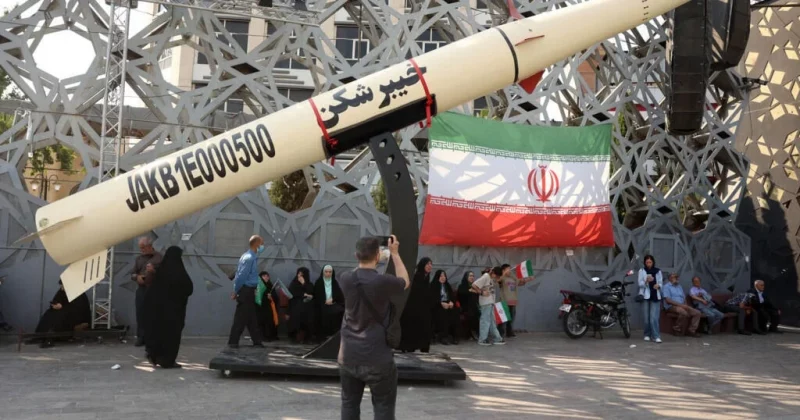
Iran must provide precise data on its nuclear facilities and enriched uranium stockpiles without delay. IAEA inspectors must be allowed to verify the condition of sites that were damaged during the June 2025 airstrikes, which reportedly involved both Israeli and US elements.
Since those strikes, Iran has barred inspectors from accessing the damaged locations. That’s roughly a full year of zero international visibility into what’s happening at some of the most sensitive nuclear sites on the planet.
The US is actively lobbying other IAEA Board members to support the resolution. The draft does not refer Iran to the UN Security Council — a deliberate move to avoid the kind of escalation that could torpedo any remaining diplomatic channels between Washington and Tehran.
The diplomatic backdrop
Iran’s negotiating position has been weakened in other ways, too. Tehran has previously withdrawn counter-resolutions under US pressure, including resolutions that would have addressed the attacks on its own nuclear sites.
Why crypto investors should pay attention
The US Treasury’s ongoing campaign against Iranian-linked crypto infrastructure means that specific tokens and exchanges can find themselves in the crosshairs of sanction notifications. When that happens, trading volumes can spike or collapse depending on which side of the enforcement action a particular asset falls.
If Iran responds to this resolution the way it has responded to previous ones, by limiting cooperation and potentially escalating its nuclear activities, the situation gets worse before it gets better. Each escalation cycle tends to produce a fresh wave of sanctions, enforcement actions, and market jitters.
Traders should watch for three things in the coming weeks: whether Iran grants any inspector access, whether the IAEA Board passes the resolution with broad support, and whether the Treasury announces additional sanctions targeting crypto-linked Iranian entities.
Disclosure: This article was edited by Editorial Team. For more information on how we create and review content, see our Editorial Policy.



 English (US) ·