
 1 hour ago
19
1 hour ago
19
Three Indian sailors are dead after US military forces struck an oil tanker in the Gulf of Oman on June 10, a move that has drawn sharp condemnation from New Delhi and raised serious questions about the human cost of Washington’s campaign to choke off Iranian crude exports.
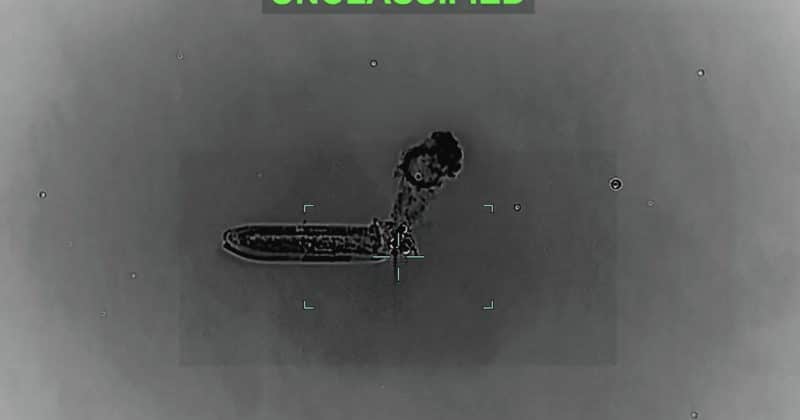
The vessel, a Palau-flagged tanker called the MT Settebello, was hit with precision munitions roughly 20 nautical miles northeast of Oman’s port of Sohar. All 24 crew members aboard were Indian nationals.
What happened
US Central Command reported that the MT Settebello was targeted after its crew allegedly ignored repeated directives to cease its approach. The US military suspected the tanker was attempting to illegally transport Iranian oil in violation of an ongoing American blockade designed to restrict Iran’s petroleum exports.
Of the 24 Indian crew members on board, 21 were rescued by Omani authorities. Three sailors were reported missing or confirmed dead.
Just two days earlier, on June 8, US forces struck another tanker, the MT Marivex, under similar circumstances.
India’s Ministry of External Affairs formally condemned the attack within hours, issuing a statement that underscored its commitment to protecting Indian seafarers operating in volatile maritime environments.
The broader blockade campaign
The strikes are part of a broader US effort to restrict Iranian oil from reaching international markets. The enforcement zone centers on the Strait of Hormuz and surrounding waters. Roughly a fifth of the world’s petroleum passes through this narrow corridor on any given day.
The MT Settebello flew a Palau flag, carried an all-Indian crew, and was operating in Omani waters — at least three sovereign nations with a legitimate stake in what happened, none of which are Iran.
Iran has previously threatened to close the Strait of Hormuz entirely if its oil exports are blocked.
What this means for energy markets and global shipping
India is one of the world’s largest oil importers and has historically maintained working relationships with both Washington and Tehran. Being forced to condemn a US military action that killed its citizens puts New Delhi in an uncomfortable position, particularly if Indian-crewed vessels continue to operate in the enforcement zone.
Disclosure: This article was edited by Editorial Team. For more information on how we create and review content, see our Editorial Policy.






 English (US) ·