
 4 hours ago
16
4 hours ago
16
US Trade Representative Jamieson Greer is tamping down expectations for the next Trump-Xi summit, signaling the meeting will be less about grand bargains and more about making sure both sides are actually doing what they already promised. The summit, likely set for September 2026, will center on assessing China’s compliance with existing trade commitments.
What’s actually on the table
Greer made clear the September meeting won’t be a venue for sweeping new deals. One of the key items under review is China’s commitment to delay restrictions on rare-earth mineral exports for an additional year.
The summit follows a more consequential meeting between Trump and Xi in Beijing back in May 2026. That earlier summit produced concrete deliverables, including China’s agreement to ramp up purchases of US agricultural goods. Specifically, Beijing committed to buying 25 million metric tons of soybeans starting October 2025, alongside plans for re-registering US meat exporters and reviewing biotechnology approvals.
The deficit story is actually working
The US-China goods trade deficit fell to $202 billion in 2025. That’s the lowest level since 2004. The deficit had ballooned well beyond $300 billion in prior years, so a drop to $202 billion represents a significant contraction.
China’s share of US imports declined to roughly 9%, the lowest since China joined the World Trade Organization in 2001. Greer has characterized the current bilateral trade relationship as “stable,” while emphasizing the administration’s dual focus on shrinking deficits and boosting domestic manufacturing.
Why crypto investors should pay attention
The rare-earth angle matters. Any disruption to rare-earth supply chains directly impacts the hardware layer that underpins crypto mining operations and the broader tech infrastructure supporting blockchain networks. A one-year delay on Chinese export restrictions gives miners and hardware manufacturers breathing room to diversify their supply chains.
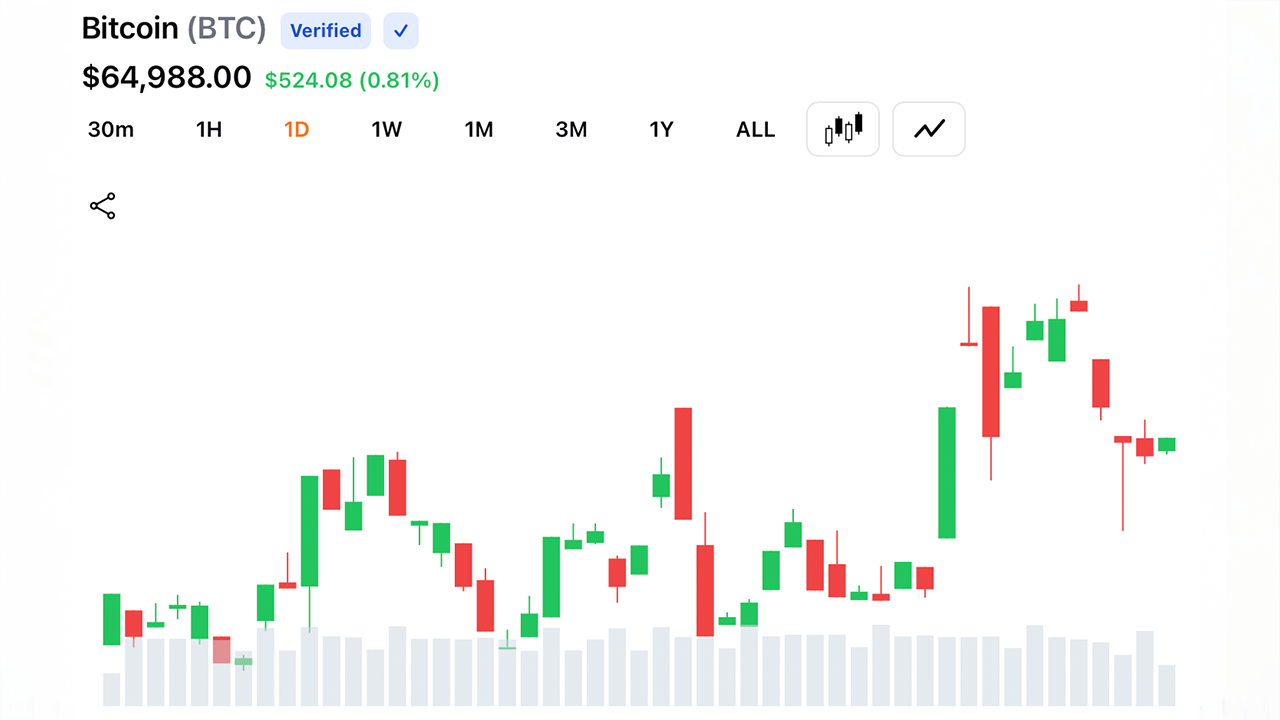
The declining trade deficit also carries implications for the dollar. A shrinking deficit means fewer dollars flowing overseas, which can support dollar strength. For crypto, a stronger dollar has historically acted as a headwind for Bitcoin prices, since many investors treat BTC as an alternative store of value that becomes less attractive when the dollar is performing well.
Disclosure: This article was edited by Editorial Team. For more information on how we create and review content, see our Editorial Policy.








 English (US) ·