
 4 hours ago
9
4 hours ago
9
The US Treasury Department is preparing to issue waivers on Iranian oil sanctions as part of a sweeping draft agreement between Washington and Tehran, a move that sent oil prices tumbling and injected a fresh wave of risk appetite into global markets, including crypto.
A senior Iranian official disclosed the draft memorandum of understanding to Reuters on June 14, outlining terms that would allow Iran to resume oil exports and access revenue that has been locked away for years.
What’s in the deal
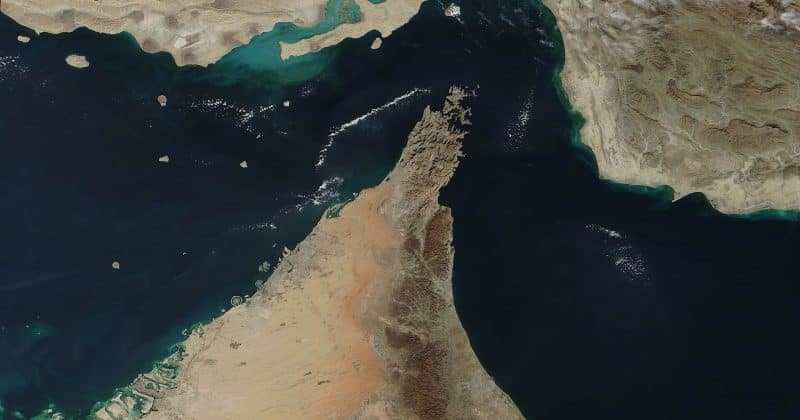
The draft MoU covers several major provisions. The Strait of Hormuz would be immediately reopened. The US naval blockade on Iranian ports would be phased out within 30 days of the agreement’s signing.
A total of $25 billion in frozen Iranian assets would be released under the terms of the draft. In exchange, Iran has committed to halting its nuclear weapons program and freezing uranium enrichment while negotiations continue.
Iran would be permitted to export oil and receive payments under the treaty provisions, effectively ending years of isolation from global energy markets.
Oil markets react first, and fast
Brent crude dropped to a three-month low below $79 per barrel following the news.
Iran was already quietly exporting oil through various workarounds during sanctions periods, primarily to buyers in Asia willing to navigate the legal gray zones. Official waivers from the US Treasury would open the floodgates to legitimate, transparent trade. Earlier in 2026, the US Treasury had issued a temporary waiver around March 20 allowing roughly 140 million barrels of Iranian crude to be sold, though that waiver was allowed to expire in late April amid increasing geopolitical tensions and sanctions pressure.
What this means for crypto investors
Bitcoin has held relatively stable around $66,000, suggesting that the world’s largest digital asset is trading more on Fed policy signals than geopolitical developments at the moment.
Uniswap’s token jumped 22% as market participants rotated into riskier assets.
Lower oil prices also reduce inflationary pressure, which could give the Federal Reserve more room to cut rates. Rate expectations are one of the most powerful forces acting on crypto markets right now.
The draft status of this MoU matters. Until both sides formally sign and begin implementation, every provision remains theoretical. The 2015 JCPOA was painstakingly negotiated, celebrated, and then unraveled when the next administration walked away from it.
Investors watching this space should pay attention to two timelines. The 30-day window for phasing out the naval blockade will be the first concrete test of whether both sides are serious. And the pace at which the $25 billion in frozen assets actually gets released will signal whether the economic normalization is real or performative.
Disclosure: This article was edited by Editorial Team. For more information on how we create and review content, see our Editorial Policy.








 English (US) ·