
 1 hour ago
20
1 hour ago
20
Iran’s Supreme Leader Mojtaba Khamenei has signed off on a memorandum of understanding with the United States that Tehran reportedly dislikes but accepted anyway. The reason is straightforward: economic relief worth $300 billion in reconstruction funding, sanctions rollback, and a path out of diplomatic isolation. The price tag for Iran includes reopening the Strait of Hormuz and pledging not to develop nuclear weapons.
Vice President JD Vance is now preparing to lead follow-up negotiations in Switzerland, where an Iranian delegation arrived on June 20. The original plan had Vance departing on June 19, but logistical complications and ongoing conflict between Israel and Hezbollah pushed the timeline back.
A deal nobody loves but everyone needs
Here’s the thing about the MOU signed around June 18: Khamenei approved it despite expressing doubts. The supreme leader reportedly received assurances from Iranian officials that the country’s core interests would remain protected under the agreement’s terms.
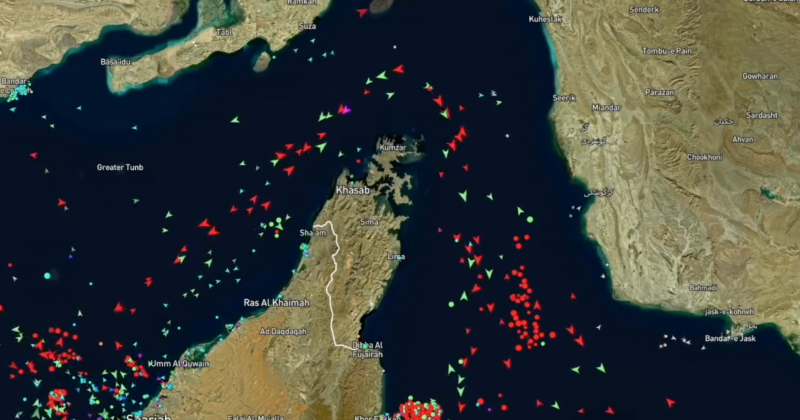
The deal’s architecture is built on a simple exchange. Iran gets a $300 billion reconstruction plan and meaningful sanctions relief. In return, Washington gets two things it has chased for decades: a formal commitment from Tehran not to pursue nuclear weapons and the reopening of the Strait of Hormuz, the narrow waterway through which roughly a fifth of the world’s daily oil supply passes.
The Strait of Hormuz problem
The most immediate source of tension is the conflicting information about the Strait of Hormuz itself. Iranian state media has indicated closures, while US officials claim that shipping flows are resuming.
Global oil prices responded negatively following the MOU’s release. The Israel-Hezbollah conflict was reportedly one of the factors behind Vance’s delayed departure.
What this means for investors
The most direct market impact sits squarely in energy. If the Strait of Hormuz fully reopens and stays open, global oil supply chains normalize. If the deal stalls or the strait remains partially restricted, expect continued volatility in crude benchmarks.
The $300 billion reconstruction figure is also worth scrutinizing. That money would only materialize upon Iran’s compliance with outlined security measures. If Iran meets its commitments, that spending could create meaningful economic activity across construction, infrastructure, and supply chain sectors tied to the region. If compliance falters, the deal becomes another diplomatic artifact collecting dust alongside the 2015 JCPOA.
Disclosure: This article was edited by Editorial Team. For more information on how we create and review content, see our Editorial Policy.






 English (US) ·