
 1 hour ago
18
1 hour ago
18
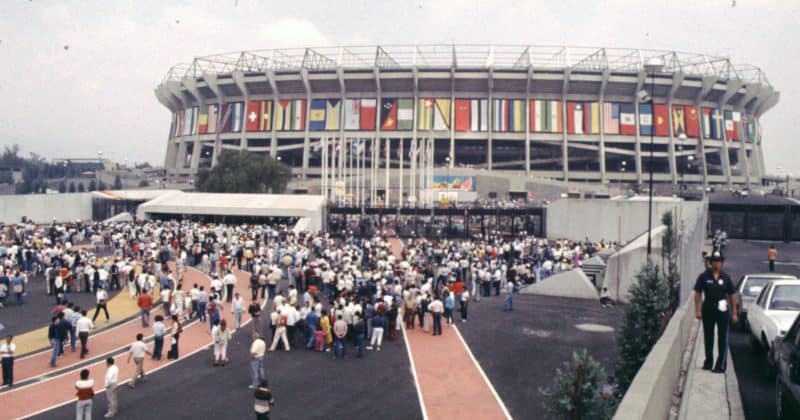
Colombia kicked off their 2026 FIFA World Cup campaign on June 14 with a Group K match against Uzbekistan at Mexico City’s Estadio Azteca. Star winger Luis Díaz, now 29 and playing for Bayern Munich, made his World Cup debut in the match. It was a moment years in the making for a player who grew up in Barrancas, one of Colombia’s more remote towns.
But here’s what caught our attention: Colombia, despite fielding a squad packed with European-league talent and commanding a massive global fanbase, still has no official fan token heading into the tournament. For a country returning to the World Cup after missing Qatar 2022, that’s a notable gap in a market where fan tokens have become a real revenue lever for national teams.
The fan token opportunity nobody is seizing
Fan tokens are blockchain-based digital assets that give holders voting rights on minor team decisions, access to exclusive content, and sometimes real-world perks like meet-and-greets.
Several national football federations have already launched fan tokens through platforms like Socios and Chiliz. Argentina, Portugal, and Spain all entered previous tournaments with active token ecosystems. Colombia’s absence from this space is conspicuous, especially given the 2026 World Cup’s unprecedented scale as the first tournament co-hosted by three nations: Canada, Mexico, and the United States.
Díaz’s journey and what it represents
Díaz’s path from Barrancas to Bayern Munich is the kind of story that makes World Cups compelling. He came up through Colombian football’s grassroots system, earned a move to Porto in Portugal, then transferred to Liverpool where he became a fan favorite, before landing at Bayern Munich.
His debut against Uzbekistan featured an attacking run that drew a foul from Uzbek defender Abdukodir Khusanov, a play that generated significant attention on social media.
Colombia’s return to the tournament after their 2022 absence has rekindled national enthusiasm. The squad features multiple players from top European leagues, giving the team a profile that would be commercially attractive for any fan engagement platform looking to expand into South American markets.
Disclosure: This article was edited by Editorial Team. For more information on how we create and review content, see our Editorial Policy.





 English (US) ·