
 1 hour ago
20
1 hour ago
20
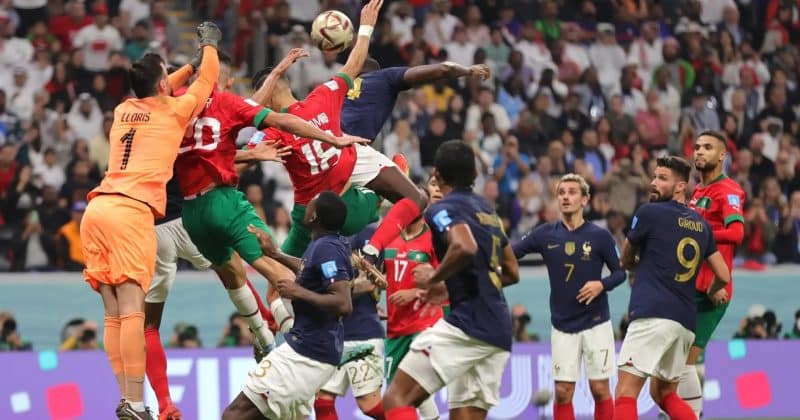
The 2026 World Cup is delivering the kind of drama that should, in theory, be rocket fuel for blockchain-based sports platforms. Norway’s Julian Ryerson is set to return from a thigh injury for a round-of-16 clash against Brazil on July 5, a matchup featuring Vinicius Jr. and a nation making its deepest World Cup run in decades.
The Sorare signal
Sorare, the Ethereum-based fantasy football platform that once raised $680M in a Series B round and attracted partnerships with hundreds of football clubs, currently hosts digital collectible cards of Ryerson. A recent card sold for roughly $4.43.
This isn’t a knock on Ryerson specifically. The Borussia Dortmund full-back suffered a thigh injury just 13 minutes into Norway’s group stage match against Senegal. His recovery and return to full training ahead of the Brazil fixture is genuinely significant for Norway’s tournament hopes, though his final availability remains questionable as coaching staff monitor his response to training sessions.
Why the World Cup isn’t moving crypto markets
There’s even a meme token called RYERSON trading on Solana, though it has no verified connection to the actual player.
The disconnect stems from a few structural issues. First, regulatory scrutiny of fan tokens and sports-linked digital assets has intensified since 2022. Several European regulators have questioned whether fan tokens constitute unregistered securities. Second, the NFT market broadly has contracted from its 2021-2022 peaks. Trading volumes across major platforms are a fraction of what they were during the bull market, and sports collectibles haven’t been immune. Sorare has maintained its platform and user base, but the speculative frenzy that once drove four and five-figure card sales has cooled considerably. Third, traditional sports sponsorship dollars have not migrated to blockchain platforms the way crypto bulls predicted. FIFA’s official sponsors for 2026 are dominated by legacy brands. The crypto-branded stadium deals and jersey patches from the last cycle have quietly expired or been restructured.
The longer game for sports and blockchain
Sorare continues to operate as a functional fantasy sports platform with genuine utility. Its cards serve as game pieces, not just speculative assets. The platform’s Ethereum foundation means every transaction is on-chain and verifiable.
For crypto investors watching the sports vertical, the key metric isn’t whether Ryerson’s card price moves after the match. It’s whether aggregate trading volume on platforms like Sorare shows any meaningful spike during tournament knockout rounds compared to the group stage baseline.
Disclosure: This article was edited by Editorial Team. For more information on how we create and review content, see our Editorial Policy.



 English (US) ·