
 1 hour ago
21
1 hour ago
21
The biggest soccer match on the planet will kick off on schedule. The 2026 FIFA World Cup final between Spain and Argentina is set for July 19 at 3:00 p.m. ET at MetLife Stadium in East Rutherford, New Jersey, with sources confirming that neither weather nor air quality concerns will disrupt the event.
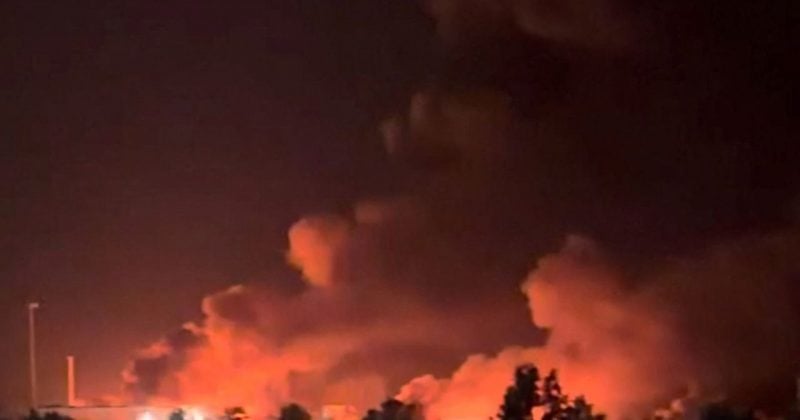
That’s notable because the New York/New Jersey region has been blanketed by smoke drifting south from over 200 active wildfires in Canada, pushing air quality index readings into unhealthy or hazardous territory.
What’s actually happening with the air
An approaching cold front, combined with potential rain, is expected to push the smoke out and significantly improve conditions before kickoff.
Spain’s squad has already been training outdoors despite the hazy conditions. No match delays, no venue changes, no contingency plans being activated. Authorities have been emphatic: the final goes ahead as planned.
Argentina, the defending world champion and South American champion, will face Spain, the reigning European champion.
Why this matters beyond the pitch
MetLife Stadium is an open-air venue. Unlike domed stadiums, it offers no buffer against whatever the atmosphere decides to deliver. The decision to host the World Cup final there was made years ago, when Canadian wildfire smoke blanketing the Eastern Seaboard every summer wasn’t quite as predictable as it’s become.
The northeast US experienced its worst air quality episodes in recorded history in 2023, and the pattern has continued.
The crypto and prediction market angle
Prediction markets, particularly decentralized ones built on blockchain infrastructure, have become surprisingly sophisticated at pricing event-level risk. Platforms like Polymarket have hosted markets on everything from election outcomes to weather events, and a World Cup postponement scenario would have been exactly the kind of binary outcome that attracts liquidity.
Smart contract-based parametric insurance, triggered automatically when AQI readings exceed a threshold, represents a genuine use case that isn’t just theoretical anymore. Several blockchain projects have been building exactly this kind of infrastructure, targeting the gap between what traditional insurers will cover and what event organizers, sponsors, and ticket holders actually need.
Disclosure: This article was edited by Editorial Team. For more information on how we create and review content, see our Editorial Policy.




 English (US) ·