
 1 hour ago
13
1 hour ago
13
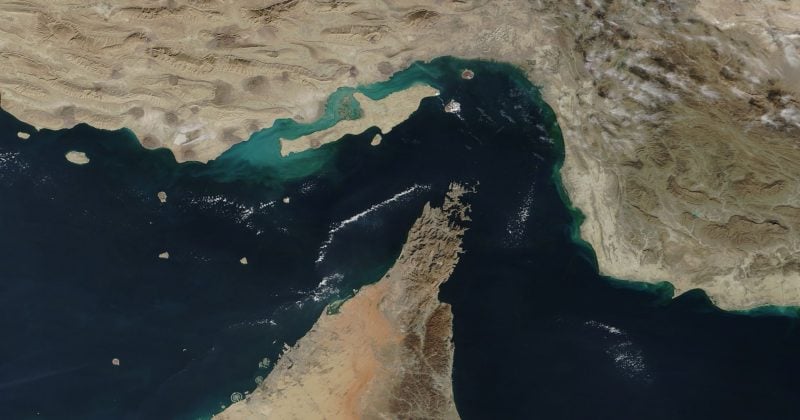
The American Petroleum Institute (API), a major U.S. oil trade group, has voiced its opposition to the recent proposal for tolls in the Strait of Hormuz. This proposal, backed by Gulf actors, suggests a voluntary fee system for vessels passing through the critical maritime route. The API’s stance underscores concerns about potential threats to free tanker passage and the broader implications for global energy shipping norms. The proposal has been a focal point of the ongoing Iran-U.S./Israel confrontation over maritime control and sanctions. The U.S. has previously cautioned firms about the risk of sanctions if they comply with Iranian fee demands.
Key Takeaways
- The American Petroleum Institute’s opposition suggests a strong U.S. industry stance against Hormuz tolls, consistent with decreased odds of U.S. fees.
- Market pricing reflects a minimal probability of the U.S. implementing its own tolls in the Strait, with a 0.4% YES probability for July 31, 2026.
- The API’s position aligns with ongoing diplomatic efforts to maintain free navigation in the Strait, reducing the likelihood of toll implementation.
What to Watch
Observers should monitor further statements from U.S. officials, such as President Trump or Secretary of State Marco Rubio, as any reversal in their positions could shift market pricing. Additionally, developments in Iranian policy regarding the toll proposal, especially any formalization of the fee system, will be critical in shaping market expectations. The upcoming expiration of a 60-day pause on Iranian tolls could serve as a key indicator of future developments.
Get live prediction-market analysis, powered by Vera. Sign up for Vera.
Disclosure: This article was edited by Estefano Gomez. For more information on how we create and review content, see our Editorial Policy.



 English (US) ·