
 1 hour ago
17
1 hour ago
17
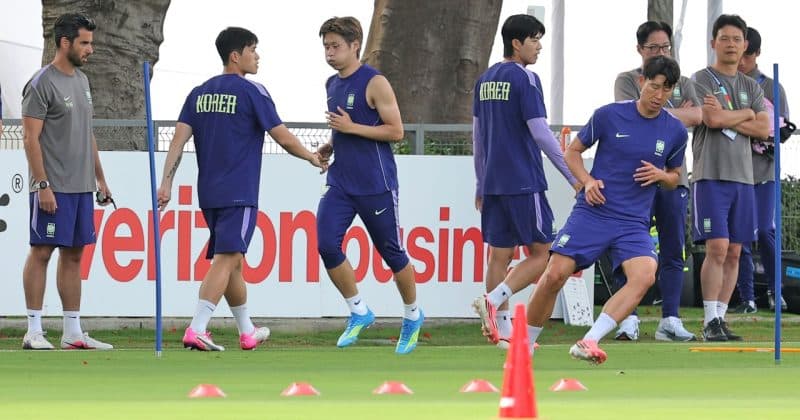
The Brazil versus Morocco fixture at MetLife Stadium has moved 80,000 tickets, making it the single highest-demand match of the 2026 World Cup so far. For context, that’s essentially every seat in the building spoken for, and we’re still weeks out from kickoff.
Scheduled for June 13, 2026, at 6:00 PM ET, the match pits two of soccer’s most passionate fanbases against each other in a stadium that sits right across the river from Manhattan.
Why this match, why this stadium
MetLife Stadium holds approximately 80,000 fans in its World Cup configuration. The fact that ticket sales have essentially matched capacity tells you something about the appetite for this specific matchup.
Brazil hardly needs an introduction. Five World Cup titles, the most globally recognized soccer brand on the planet. Morocco, meanwhile, became a sensation at the 2022 World Cup in Qatar, becoming the first African nation to reach a semifinal. That run turned Morocco from a plucky underdog into a legitimate draw, and their fanbase, particularly across the New York metro area’s large Moroccan diaspora, has responded accordingly.
Ticket outlets have labeled the match an “absolute best-seller,” with limited inventory remaining across both primary and secondary markets. Dynamic pricing strategies have pushed resale prices into the thousands of dollars for premium seats.
FIFA’s blockchain ticketing experiment
FIFA launched FIFA Collect, a blockchain-based platform that distributes digital collectibles tied directly to ticket access.
The system works through two types of tokens. Right-to-Ticket (RTT) tokens grant holders an actual ticket to a specific match. Right-to-Buy (RTB) tokens give holders priority access to purchase tickets before the general public. Drops for these tokens were released in late May 2026, creating a layered system where digital ownership becomes the gateway to physical attendance.
Resale values on some of these tokens have climbed significantly, which looks a lot like the scalping problem just wearing a different outfit. When a digital token that grants the right to buy a ticket is itself trading at a premium, the middleman hasn’t been eliminated. The middleman has been tokenized.
Regulators are watching
The Swiss gambling regulator opened a preliminary investigation into FIFA’s token scheme back in October 2025. The concern centers on whether the RTT and RTB tokens, with their fluctuating resale values and speculative dynamics, effectively function as a form of gambling.
When consumers purchase a digital token hoping its value will appreciate, and when the outcome depends partly on match assignments, team popularity, and market demand, the line between collectible and lottery ticket starts to blur.
Disclosure: This article was edited by Editorial Team. For more information on how we create and review content, see our Editorial Policy.

 English (US) ·