
 4 months ago
90
4 months ago
90
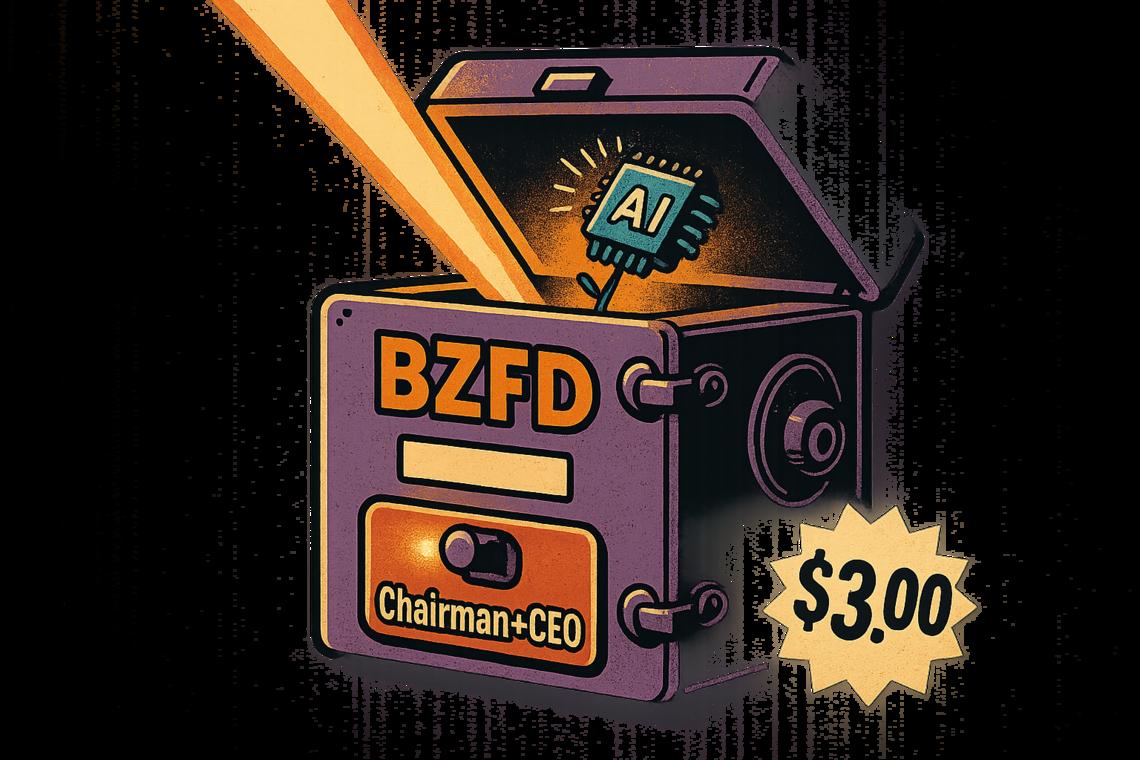
BuzzFeed just got a new controlling owner, and Wall Street noticed fast. In the Byron Allen BuzzFeed acquisition, Allen Family Digital LLC agreed to buy about 52% of the digital media company for $120 million, a deal that sent BuzzFeed shares sharply higher in after-hours trading and set up a major leadership reset at the company.
The transaction covers 40 million BuzzFeed shares at $3.00 each. That price gives the deal an eye-catching tag not just because of the size, but because of the premium. The $3.00 share price represents a 265.9% premium over Friday’s closing price, according to the deal terms provided.
Then came the market reaction. BuzzFeed stock soared about 156% in after-hours trading, a sign that investors saw the announcement as more than a routine ownership change. For a company that has struggled to stabilize its business, the news landed like a jolt.
Byron Allen takes control of BuzzFeed
The Byron Allen BuzzFeed acquisition makes Allen Family Digital LLC the controlling shareholder of BuzzFeed, with roughly 52% ownership once the transaction is completed.
At the center of the deal are 40 million shares priced at $3.00 apiece, for a total value of $120 million. The numbers matter because they show how aggressively Allen is pricing the bet. A 265.9% premium over BuzzFeed’s prior closing price is unusually large, and it helps explain why traders quickly piled into BZFD after the news broke.
This is not a passive investment. It is a control deal.
That distinction matters because BuzzFeed has been under pressure for some time, and a majority acquisition signals that Allen is positioning himself to reshape strategy, leadership, and the company’s direction rather than simply taking a financial stake.
Why BuzzFeed stock soars after the announcement
Investors responded immediately. BuzzFeed shares rose about 156% during after-hours trading following the announcement, making the stock one of the session’s biggest movers.
The rally reflected the gap between where BuzzFeed had been trading and where Allen was willing to buy. When a buyer steps in at $3.00 a share — and does so at a 265.9% premium to the prior close — the market tends to reassess what the company could be worth under new ownership.
For readers tracking BuzzFeed stock soars moves and special-situation trades, this was the clearest signal of the day: the market treated the deal as a reset event.
What the BZFD deal terms mean for leadership
The leadership shuffle is one of the biggest immediate consequences. Jonah Peretti will relinquish the CEO role, and Byron Allen will become both Chairman and CEO when the transaction closes.
Peretti is not leaving the company entirely. He is set to become President of BuzzFeed AI, a newly created role that points to artificial intelligence becoming a more central part of BuzzFeed’s next phase.
The BZFD deal terms also show a financing structure that is part cash, part longer-term obligation:
- $20 million in immediate cash
- A $100 million promissory note carrying 5% annual interest, payable over five years
That structure gives BuzzFeed fresh capital and a new controlling owner without requiring the full $120 million to be paid upfront in cash. It also ties part of the transaction to a multi-year financial commitment rather than a simple all-cash handoff.
Allen has also suggested BuzzFeed would use AI to compete with YouTube as a free video streaming service, adding a more ambitious strategic angle to what might otherwise look like a straightforward takeover.
BuzzFeed’s business remains under pressure
The deal arrives as BuzzFeed’s core business continues to show strain. At the same time as the acquisition news, the company reported Q1 2026 revenue of $31.6 million, down 12.4% from a year earlier.
Losses moved in the wrong direction too. Net loss widened to $15.1 million in the quarter, compared with $12.5 million in the comparable period last year.
BuzzFeed also said it would update full-year guidance later.
Those figures help explain why this acquisition drew so much attention. The company is not entering this ownership transition from a position of strength. It is doing so while revenue is shrinking and losses are widening, with digital advertising pressure still weighing on the business.
That pressure has been shaped by ad dollars moving toward social platforms including TikTok, Meta, and Instagram. For BuzzFeed, that shift has made it harder to defend the kind of scale and monetization that once powered digital media growth stories.
Why the Byron Allen BuzzFeed acquisition stands out
This is not just a celebrity-media headline. The Byron Allen BuzzFeed acquisition stands out because it combines three things investors and media watchers care about at once: a control premium, a sharp stock reaction, and a company in need of a turnaround.
It also puts a sharper spotlight on BuzzFeed’s next strategic test. If Allen follows through on using AI to push BuzzFeed toward a free video streaming model that can compete more directly with YouTube, the company could end up looking very different from the social-news brand many readers remember.
For now, the immediate facts are clear: Byron Allen is taking control, Jonah Peretti is exiting the CEO seat, and the market has already started pricing in the possibility that BuzzFeed’s next chapter will not look much like its last one.




 English (US) ·