
 7 hours ago
21
7 hours ago
21
- Chainlink powers decentralized oracle infrastructure used across major blockchain ecosystems.
- LINK supply is gradually approaching its maximum cap as adoption across finance and DeFi continues growing.
- Partnerships with institutions like SWIFT and UBS could strengthen Chainlink’s long-term role in tokenized finance.
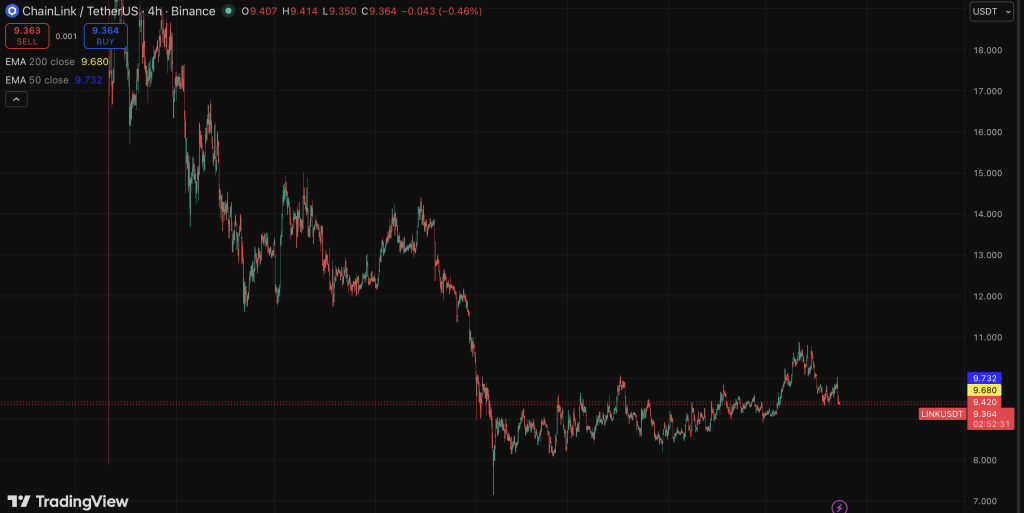
Chainlink has been through a brutal reset over the past few years. Back in 2021, LINK exploded to an all-time high near $52.88, pushing its market valuation close to $22 billion during the peak of the crypto bull cycle. Fast forward to today, and the picture looks very different.
LINK now trades below the $10 mark with a market cap hovering around $7 billion, leaving many investors wondering what happened — and more importantly, whether the token still has room to recover long term.
Oddly enough, despite the huge correction, Chainlink may actually be positioning itself for one of the most important roles in crypto infrastructure moving forward.
Chainlink Isn’t Just Another Crypto Token
One reason LINK continues standing out from many other digital assets is because Chainlink solves a very real problem for blockchains. Most blockchains cannot directly access outside information on their own. They need external data feeds — called oracles — to bring real-world information onchain.
That’s where Chainlink comes in.
The network acts as a decentralized oracle system that delivers live data like stock prices, weather updates, shipping information, sports scores, and financial market feeds directly into blockchain applications. Without systems like Chainlink, many decentralized applications simply wouldn’t function properly.
Developers across multiple ecosystems — including Ethereum — already rely heavily on Chainlink infrastructure to power smart contracts and DeFi protocols. As of late last year, the network reportedly secured more than $100 billion worth of total value across decentralized applications.
And honestly, that’s a pretty massive footprint for infrastructure most retail traders barely talk about anymore.
LINK’s Tokenomics Could Become More Important Over Time
The token structure behind Chainlink is also starting to attract more attention again. LINK launched back in 2017 with a maximum supply capped at 1 billion tokens. However, not all of those tokens entered circulation immediately.
Instead, Chainlink gradually unlocked supply over time to fund development, reward node operators, and support staking incentives across the ecosystem. When LINK reached its peak in 2021, roughly 410 million tokens were circulating. Today, that number has climbed to around 727 million.
That matters because the network is slowly approaching full token distribution.
If Chainlink’s adoption continues growing while the available supply eventually tightens closer to its maximum cap, the balance between demand and circulating supply could shift more aggressively. In simpler terms, if more institutions and developers need LINK while fewer new tokens enter circulation, upward price pressure becomes much easier to sustain.
Unlike Bitcoin, though, LINK isn’t valuable purely because of scarcity alone. It behaves more like a utility-driven infrastructure asset tied directly to network activity and developer demand.
Institutional Partnerships Could Be Chainlink’s Biggest Advantage
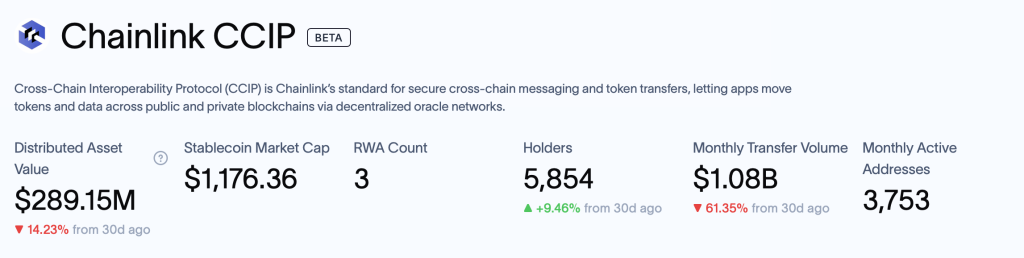
One of the more overlooked parts of the Chainlink story right now is how deeply the network has started integrating with traditional finance players.
Over the past year alone, Chainlink reportedly partnered with roughly two dozen major financial institutions including UBS, Euroclear, and even SWIFT. These collaborations focus on areas like automating settlements, moving tokenized assets, improving cross-border transfers, and helping bring real-world assets onto blockchain infrastructure.
That’s where the long-term thesis around Chainlink starts becoming really interesting.
As tokenization expands across global finance, institutions increasingly need secure oracle infrastructure connecting off-chain financial systems to blockchain environments. Chainlink is already positioning itself directly in the middle of that transition.
And if tokenized finance actually becomes as large as many analysts expect over the next decade, Chainlink’s role inside that ecosystem could become extremely valuable.
Could LINK Eventually Return to a $20 Billion Market Cap?
The idea of LINK tripling in value again might sound ambitious after such a long correction phase, but it’s honestly not impossible if broader crypto conditions improve.
Chainlink doesn’t rely purely on hype cycles or memecoin speculation. Its value proposition ties directly into blockchain infrastructure, developer activity, and institutional adoption — areas that continue expanding even during weaker market periods.
If macro conditions stabilize, crypto sentiment improves, and tokenized finance keeps growing, LINK could realistically reclaim a market valuation above $20 billion within the next several years. That wouldn’t even require new all-time highs necessarily. It would mostly depend on renewed demand returning as adoption deepens across both DeFi and traditional finance.
Of course, risks still remain. Competition inside oracle infrastructure continues growing, and broader crypto markets remain heavily tied to macroeconomic conditions and liquidity cycles. But unlike many speculative tokens from previous bull markets, Chainlink still sits at the center of actual blockchain functionality.
And that’s probably why a lot of long-term investors still aren’t ready to count LINK out yet.
Disclaimer: BlockNews provides independent reporting on crypto, blockchain, and digital finance. All content is for informational purposes only and does not constitute financial advice. Readers should do their own research before making investment decisions. Some articles may use AI tools to assist in drafting, but every piece is reviewed and edited by our editorial team of experienced crypto writers and analysts before publication.






 English (US) ·