
 5 months ago
98
5 months ago
98
- Chainlink is introducing “Economics 2.0,” a self-reinforcing model linking security, adoption, and fees
- A universal payment system allows developers to pay in multiple forms, reducing friction
- The model is designed for future large-scale adoption from institutions and developers
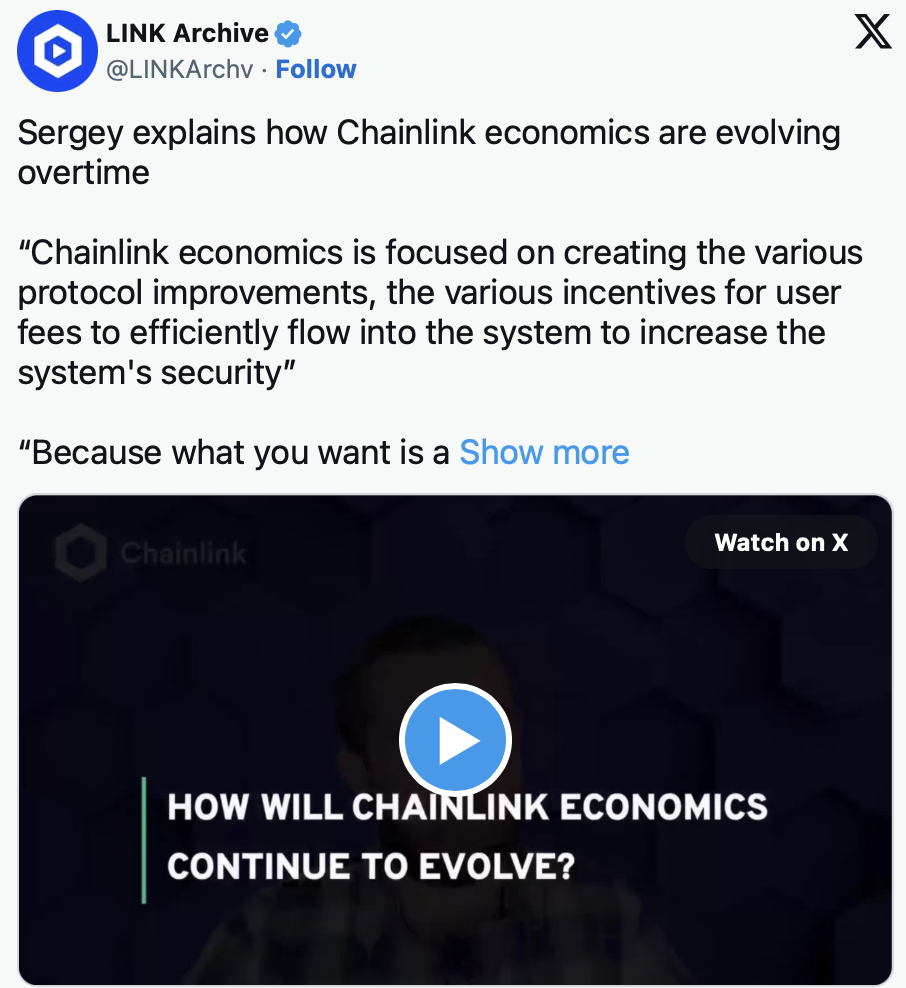
Chainlink’s economic model is starting to evolve, and not in a small way. According to co-founder Sergey Nazarov, the protocol is moving toward what he calls “Economics 2.0,” which sounds technical, but the idea is actually pretty simple. It’s built around a loop, more security leads to more adoption, adoption generates more fees, and those fees go right back into strengthening security again.
It’s one of those systems that, if it works as intended, feeds itself over time. The more people use it, the stronger it gets, and the stronger it gets, the more people trust it. That kind of cycle is what Chainlink seems to be aiming for, not just growth, but sustainable growth that compounds.
A Flexible Payment System at the Core
At the center of this new model is a universal payment system, and honestly, that might be the most practical part of the whole setup. Developers won’t be forced into one specific way of paying, they can use native tokens, their own project tokens, or even traditional payment methods like cash.
Whatever comes in gets converted into LINK behind the scenes. That conversion step is important, because it ensures that all payments ultimately contribute to securing the network, no matter how they arrive. It removes a lot of the friction that usually slows developers down when integrating blockchain services.
Nazarov described it pretty clearly, the goal is to let users pay however they want, then funnel everything back into the system’s token to maintain security. It’s not flashy, but it’s efficient, and sometimes that matters more.
Lower Friction, Higher Participation
The reasoning behind this is straightforward. If it’s easier to pay, more developers will actually use the system. And when more people use it, more fees flow in, which strengthens the network overall. It’s almost like removing small barriers can unlock much bigger outcomes over time.
Friction in crypto has always been a bit of a problem, too many steps, too many requirements, and people just don’t bother. Chainlink seems to be trying to smooth that out, make the experience feel less restrictive, more accessible. And if that works, adoption could scale much faster than expected.
Building for a Market That Hasn’t Fully Arrived Yet
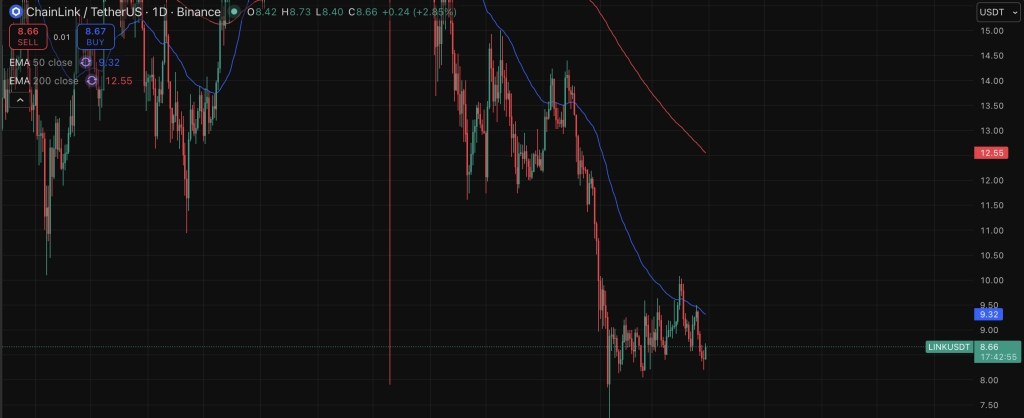
What’s interesting is that Chainlink isn’t building this for today’s market, not really. Nazarov openly pointed out that the current ecosystem doesn’t yet include millions of developers or the full participation of global banks and asset managers. That world is still forming.
Economics 2.0 is being designed ahead of that shift, almost like preparing infrastructure before demand fully arrives. It’s a forward-looking approach, betting that when institutions and Web2 systems move on-chain at scale, the network will already be ready to support them.
And as that market grows, the importance of security is expected to grow alongside it. More value on-chain means higher stakes, which naturally leads to more demand for reliable infrastructure like Chainlink.
A Bigger Vision Beyond Just One Protocol
There’s also a broader angle here. Chainlink’s payment system itself could eventually become a product, not just something used internally. Nazarov hinted that other protocols might adopt similar systems, especially if reducing payment friction becomes a priority across the industry.
It makes sense, really. If paying for services becomes easier, more people participate, and that benefits everyone involved. Chainlink isn’t just building for its own ecosystem, it might be laying groundwork for how other protocols handle payments too.
A System Designed to Scale With the Market
At its core, this whole model is about scale. Chainlink is trying to align its economics with the growth of the market it expects to serve, not just react to current conditions. The goal, as Nazarov put it, is to bring as many fees into the system as possible, so those fees can continuously reinforce security.
It’s a long-term play, and like most long-term plays in crypto, it depends heavily on execution. But if the pieces come together, the model could create a network that strengthens itself as adoption grows, which is… kind of the ideal scenario.
Disclaimer: BlockNews provides independent reporting on crypto, blockchain, and digital finance. All content is for informational purposes only and does not constitute financial advice. Readers should do their own research before making investment decisions. Some articles may use AI tools to assist in drafting, but every piece is reviewed and edited by our editorial team of experienced crypto writers and analysts before publication.




 English (US) ·