
 1 hour ago
15
1 hour ago
15
When your domestic engine starts coughing, you look for fuel elsewhere. That’s essentially what Chinese Premier Li Qiang communicated on August 17 when he convened a State Council meeting centered on one overriding theme: stabilizing external demand to prop up an economy that’s losing momentum faster than policymakers would like.
China’s Q2 2026 GDP came in at 4.3% year-on-year growth. That’s down from 5.0% in Q1 and represents the slowest quarterly pace the world’s second-largest economy has posted in over three years.
The numbers behind the nervousness
China’s full-year 2026 growth target sits at 4.5% to 5%. That range is the lowest the government has set in more than thirty years, a quiet admission that the era of effortless expansion is well and truly over.
Domestic consumption remains stubbornly weak. Private investment is subdued. Energy costs are climbing. Exports have been a relative bright spot, which helps explain why Premier Li is now leaning hard into trade stabilization rather than doubling down on the domestic consumption playbook that has underperformed.
What Premier Li actually said
The State Council meeting emphasized expanding international trade cooperation and promoting what the government described as balanced trade development.
Various domestic industries are reportedly facing mounting hardships, and the combination of weak consumer spending and rising input costs has created a fragile landscape where external revenue streams become not just helpful but essential.
It’s worth noting what Premier Li didn’t say. There was no announcement of a major new stimulus package, no dramatic interest rate signal, no fiscal bazooka.
Why global markets should pay attention
The drop from 5.0% to 4.3% quarterly growth may sound modest in absolute terms. China has been the single largest contributor to global GDP growth for most of the last two decades.
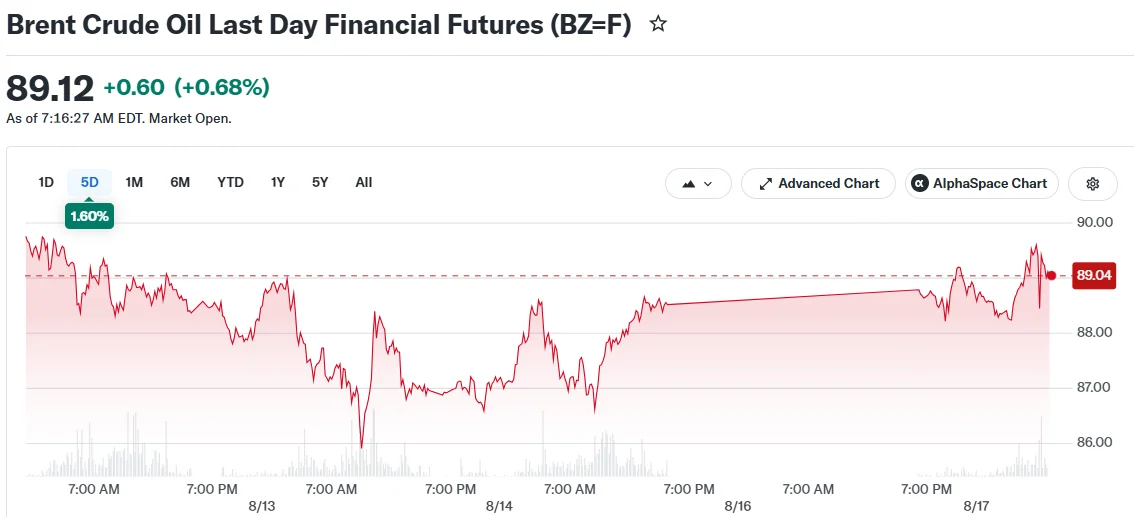
Commodity markets are particularly exposed. Weak domestic demand in China typically translates to softer prices for industrial metals, and rising energy costs add another variable that complicates the picture.
The near-term question is whether the 4.5% to 5% full-year target remains achievable. Hitting the bottom of that range requires a meaningful rebound in the second half, and Premier Li’s urgency suggests internal projections may not be as rosy as public-facing targets imply.
Disclosure: This article was edited by Editorial Team. For more information on how we create and review content, see our Editorial Policy.



 English (US) ·