
 17 hours ago
45
17 hours ago
45
Two of the world’s most powerful central banks made their latest moves within 48 hours of each other. The Federal Reserve held its benchmark rate at 3.5%-3.75% after its July 29-30 meeting, while the Bank of Japan kept its rate at 1% on July 31 but made clear it’s not done tightening.
The Fed’s decision wasn’t exactly unanimous. Three members voted for a 25 basis point hike, creating a 9-3 split. Meanwhile, the BOJ’s hold came with language warning that underlying inflation could exceed its 2% target for the first time in the bank’s modern history.
The Fed’s patience is wearing thin, but not thin enough
Chair Kevin Warsh emphasized that the Fed “will not hesitate to act” to bring inflation back to its 2% goal, while simultaneously justifying why the committee chose not to act this time around.
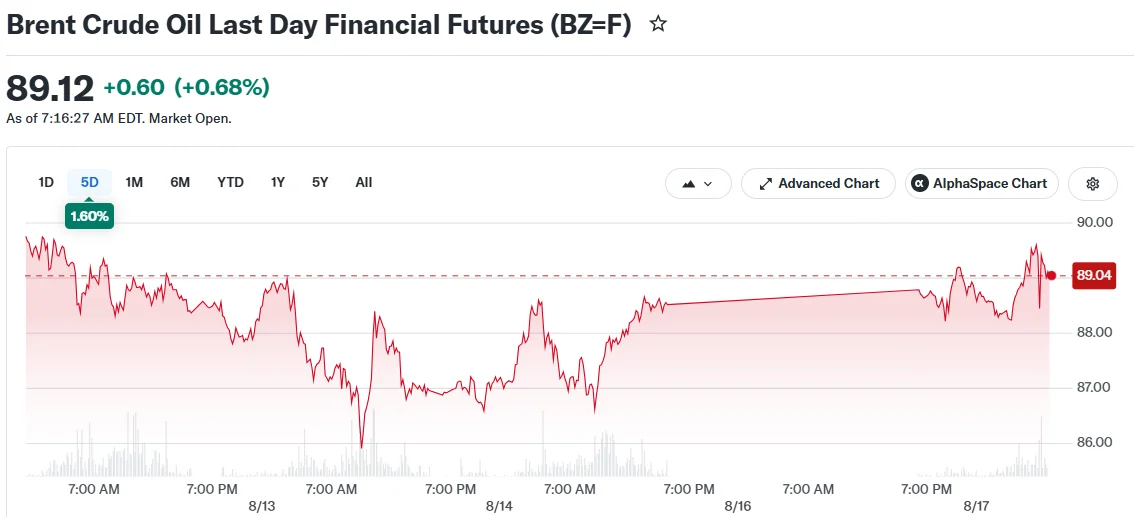
The reasoning comes down to consumers. Personal consumption expenditures remain firm enough that the Fed sees domestic demand as resilient, not overheating. Energy prices are still pushing costs higher, but the broader consumer picture apparently doesn’t scream emergency to the majority of voting members.
A 9-3 vote is notable. The Fed prefers to project consensus, and triple dissents tend to signal that the next meeting could go differently if the data shifts even slightly. Those three hawks wanted a quarter-point increase.
Japan’s quiet revolution gets louder
The BOJ held at 1%, its highest policy rate since 1995, after an 8-1 vote. The BOJ flagged risks that underlying inflation could surpass 2% for the first time. Japan spent roughly two decades fighting deflation with ultra-loose monetary policy, zero and negative interest rates, and massive bond-buying programs.
In June, the BOJ had already raised rates by 25 basis points, moving from 0.75% to 1%. The drivers are a combination of higher energy costs, resilient domestic consumption, and yen fluctuations. A weaker yen makes imports more expensive, feeding into consumer prices.
What this means for markets and money flows
When the Fed holds and the BOJ signals hikes, the interest rate differential between the two countries narrows. A narrowing rate gap tends to support the yen against the dollar. For years, the wide spread between US and Japanese rates made the yen a funding currency for carry trades, where investors borrowed cheaply in yen and parked money in higher-yielding dollar assets. As that gap shrinks, some of those trades unwind, sending capital back toward yen-denominated assets.
The US has the luxury of resilient consumers providing a buffer. Japan has the complication of a currency that amplifies imported inflation while its domestic demand finally shows the kind of strength policymakers spent years trying to engineer.
Disclosure: This article was edited by Editorial Team. For more information on how we create and review content, see our Editorial Policy.



 English (US) ·