
 51 minutes ago
17
51 minutes ago
17
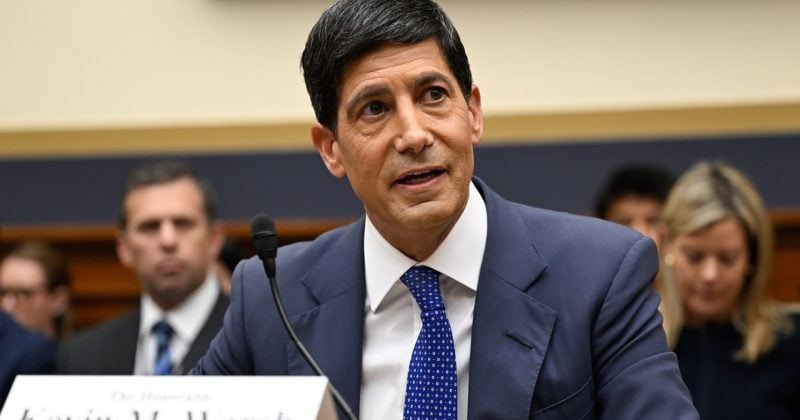
A US Commerce Department official has flagged upcoming regulatory action targeting chips and artificial intelligence, a signal that the already turbulent landscape of semiconductor export policy is about to get another shake-up.
A regulatory rollercoaster that won’t stop
On May 13, 2025, the Bureau of Industry and Security rescinded the Biden administration’s AI Diffusion Rule, which had been published just months earlier in January 2025. That rule was supposed to create a comprehensive framework for controlling the global flow of advanced AI chips. The Trump administration decided it wasn’t the right approach and scrapped it.
In its place came new guidance from BIS warning companies about specific risks tied to US AI chips showing up in Chinese AI models, with particular concern around Huawei Ascend chips. The message was clear: if your hardware ends up powering PRC-linked artificial intelligence, you could face criminal enforcement. Not fines. Criminal enforcement.
Then, in January 2026, BIS adjusted its licensing approach for certain AI chips. The old standard was a “presumption of denial,” which is bureaucrat-speak for “you’re probably not getting this approved.” The new standard shifted to “case-by-case review,” which also introduced additional certification requirements for exporters.
By March 2026, the Commerce Department pulled yet another planned rule on global AI chip exports that had been working its way through interagency review. It was withdrawn before it ever saw daylight. Meanwhile, BIS has continued adding People’s Republic of China entities to its Entity List and issuing warnings against third-country sales to Chinese subsidiaries.
What chipmakers are dealing with
For companies like Nvidia and AMD, this regulatory environment creates a genuinely difficult operating challenge. The shift from presumption of denial to case-by-case review in January 2026 was initially read by some as a slight loosening. But in practice, case-by-case means each export application gets individual scrutiny, which introduces delays, legal costs, and operational uncertainty that a blanket policy, even a restrictive one, doesn’t.
Additional certification requirements for exporters have also been layered on top. Companies now need to demonstrate compliance at multiple stages, adding overhead that smaller firms may struggle to absorb.
The continued expansion of the Entity List adds another dimension. Every time a new Chinese company or research institution gets added, chipmakers need to audit their customer lists, reroute sales channels, and potentially write off revenue they were counting on.
What this means for investors
Nvidia in particular has been walking a tightrope for years, designing China-specific chip variants that comply with whatever the current export control regime happens to be, only to see the goalposts move. AMD faces similar exposure, though its China revenue mix is different. Both companies, along with the broader semiconductor supply chain including equipment makers and foundry partners, need to factor regulatory risk into their models in a way that wasn’t necessary five years ago.
The withdrawal of the March 2026 planned rule suggests internal disagreement within the administration about how far to push. When rules get pulled before publication, it usually means competing factions are still fighting it out, and the eventual outcome could swing in either direction.
Disclosure: This article was edited by Editorial Team. For more information on how we create and review content, see our Editorial Policy.







 English (US) ·