
 1 hour ago
20
1 hour ago
20
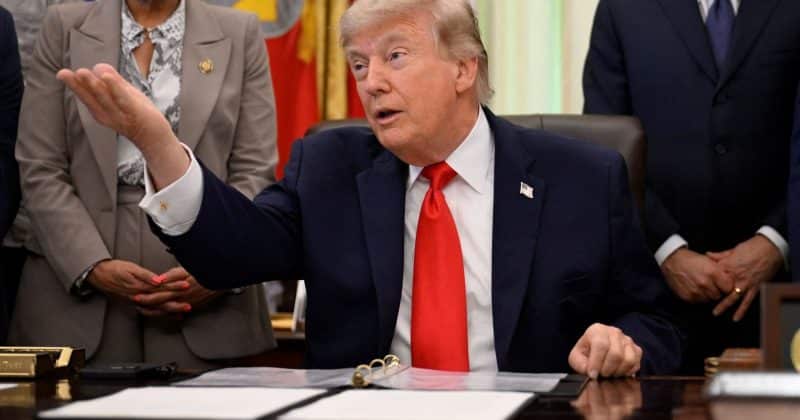
Oil prices dropped and equities climbed after President Donald Trump signaled that a deal with Iran could be imminent, describing the potential agreement as a “very, very good deal” and suggesting it could be signed within days. Brent crude fell roughly $4 to $7 per barrel on the news, while stock markets caught a tailwind from investors pricing in lower geopolitical risk.
Here’s the thing: Iran’s own officials have been considerably less enthusiastic, calling specific deal frameworks “speculative” and unapproved. No final memorandum has been signed.
What Trump said and how markets moved
Over a three-day window from June 9 to June 11, Trump made several public statements indicating a breakthrough could arrive “very soon, maybe over the weekend.” The rhetoric was characteristically bold, framing the prospective agreement as a “great settlement” that could reopen the critical Strait of Hormuz.
The multi-dollar-per-barrel slide in Brent was the most visible reaction, but equities also benefited meaningfully. Stocks rose multiple times throughout May and June as traders repeatedly recalibrated their assumptions about Middle Eastern risk.
For context, the conflict had been ongoing for more than 100 days by early June. That’s a long time for energy markets to carry a geopolitical risk premium, and it helps explain why investors were so eager to lighten that burden at the first credible signal of de-escalation.
The backstory: ceasefires, strikes, and fragile talks
A temporary ceasefire was announced on April 7, which provided the first real opening for sustained negotiations. Markets responded positively at the time too, with oil prices dropping and stocks gaining on the initial news.
The US continued military strikes in the region during the negotiation period, a dynamic that repeatedly undermined market confidence in a lasting resolution. The mixed signals created significant volatility.
Key US demands have included Iran surrendering its enriched uranium stockpile and accepting strict limitations on its nuclear capabilities. Iran, for its part, has pushed for the reopening of the Strait of Hormuz and boundaries on its nuclear program that differ substantially from Washington’s terms.
Iranian officials have been explicit that no final decision has been made, a posture that stands in stark contrast to Trump’s weekend-deal timeline.
What this means for investors
The Strait of Hormuz handles roughly a fifth of the world’s oil supply. Any credible threat to that flow adds a premium to crude prices, and any credible resolution removes it. The swings in Brent over the past few months have been a real-time demonstration of that principle.
For crypto markets specifically, Bitcoin and Ethereum have maintained relative stability throughout this episode, tracking macroeconomic sentiment without showing the dramatic swings seen in oil. Digital assets have been muted participants in the broader risk-on moves.
Disclosure: This article was edited by Editorial Team. For more information on how we create and review content, see our Editorial Policy.






 English (US) ·