
 1 month ago
62
1 month ago
62
- Tom Lee believes Ethereum could eventually climb to $22,000 and potentially much higher over the long term.
- Bitmine has accumulated 5.54 million ETH, making it the largest corporate holder of Ethereum globally.
- Lee’s bullish thesis centers on stablecoins, tokenized assets, staking, and the growing role of AI-powered economies.
Tom Lee has built a reputation for making bold crypto calls long before they became popular.
Back in 2017, when Bitcoin was trading near $2,600, the Fundstrat founder urged investors to pay attention. At the time, many dismissed the prediction. Fast forward a few years and Bitcoin not only crossed $20,000 but eventually surged far beyond that level.
Now Lee has shifted much of his attention toward Ethereum, and his outlook is turning heads.
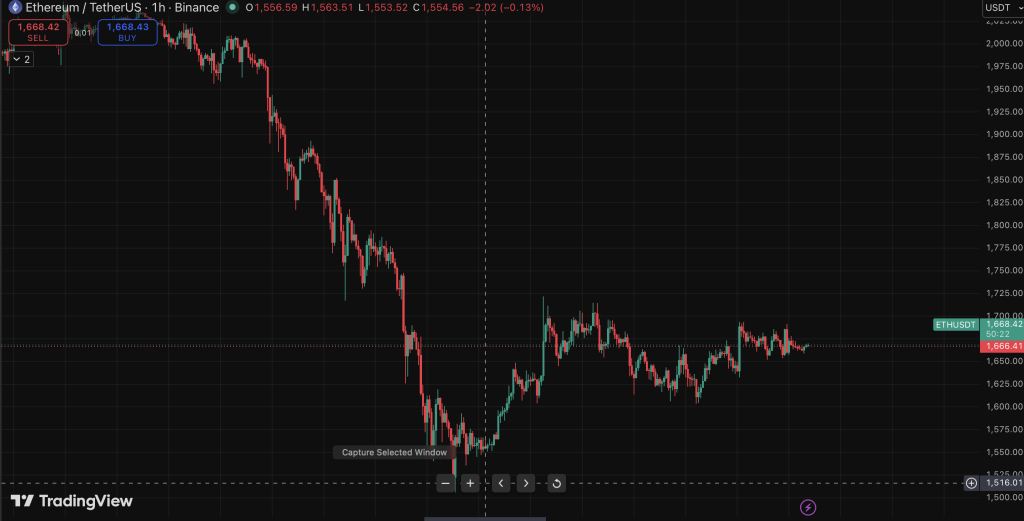
Despite Ethereum losing roughly half its value since the start of 2025, Lee remains remarkably optimistic. In fact, he believes the recent weakness could be one of the best buying opportunities in crypto today. His long-term projections range from $22,000 to as high as $250,000 per ETH, a forecast that sounds almost unbelievable at first glance.
Yet Lee argues that Ethereum’s future isn’t tied solely to speculation. It’s tied to infrastructure.
Why Ethereum Is Different From Bitcoin
Bitcoin and Ethereum are often grouped together, but they serve very different purposes.
Bitcoin’s value largely comes from scarcity. Many investors view it as digital gold, a hedge against inflation and excessive money printing. Ethereum, meanwhile, derives its value from activity happening on its network.
That distinction became even more important after Ethereum completed “The Merge” in 2022.
The upgrade shifted Ethereum away from the energy-intensive proof-of-work system used by Bitcoin and moved it to a proof-of-stake model. The change reduced energy consumption dramatically while opening the door to staking, where investors lock up ETH to help secure the network and earn rewards in return.
At the same time, Ethereum strengthened its position as the leading smart contract platform.
Today, developers use Ethereum to build decentralized finance applications, blockchain games, tokenization platforms, stablecoin systems, and much more. By late 2025, the network supported nearly 32,000 active developers, making it the largest blockchain development ecosystem in the industry.
That’s not a small advantage. It’s a massive one.
Ethereum’s Network Is Still Evolving
Critics often point out that newer blockchains like Solana can process transactions faster than Ethereum.
They’re not wrong.
But Ethereum’s response has been to scale differently.
Rather than forcing every transaction onto the main blockchain, Ethereum increasingly relies on Layer-2 networks that bundle transactions together and process them more efficiently. These rollups reduce congestion, lower transaction costs, and improve performance without sacrificing security.
And the upgrades aren’t stopping.
Ethereum’s roadmap includes several major development phases known as The Verge, The Purge, and The Splurge. Strange names, sure, but they represent a long-term effort to improve scalability, efficiency, and overall network performance.
In other words, Ethereum isn’t standing still. It’s still being built.
Tom Lee’s Bull Case Goes Beyond Crypto
Lee’s optimism isn’t based solely on blockchain adoption.
A large part of his thesis involves stablecoins and tokenized real-world assets.
Stablecoins have become one of crypto’s fastest-growing sectors, handling billions of dollars in transactions every day. Many of those assets are issued directly on Ethereum or rely heavily on its infrastructure.
The same trend is emerging with tokenized stocks, bonds, real estate, and other traditional assets moving onto blockchains.
If that transition continues, Ethereum could become a foundational layer for global financial activity.
That’s where Lee’s $22,000 target begins to make more sense.
But his more aggressive forecasts reach even further into the future.

AI Could Become Ethereum’s Biggest Growth Driver
One of the most interesting parts of Lee’s thesis involves artificial intelligence.
He believes future AI agents won’t simply operate inside isolated software environments. Instead, they’ll need public and secure networks where they can verify identities, authenticate transactions, exchange value, and interact with other systems autonomously.
Ethereum checks many of those boxes.
As machine-to-machine transactions become more common, Lee argues that Ethereum could emerge as a preferred settlement layer for autonomous economic activity. That means AI applications, decentralized finance platforms, and digital marketplaces could all rely on Ethereum infrastructure in ways that are difficult to fully appreciate today.
It’s an ambitious idea. Maybe even a little futuristic.
But that’s exactly why some investors are paying attention.
Bitmine Is Putting Real Money Behind The Thesis
Lee isn’t just talking about Ethereum. He’s actively building exposure.
After becoming chairman of Bitmine, the company aggressively expanded its Ethereum treasury strategy. Today, Bitmine holds approximately 5.54 million ETH, representing about 4.6% of Ethereum’s circulating supply.
That makes it the largest corporate Ethereum holder in the world.
The company isn’t simply sitting on those assets either. Most of the ETH is being staked through Bitmine’s dedicated validator infrastructure, allowing the company to generate yield while maintaining long-term exposure.
That’s a significant vote of confidence.
Is Ethereum A Buy Right Now?
Nobody knows where Ethereum will trade next month. Crypto rarely makes things that easy.
The market remains volatile, macroeconomic conditions are uncertain, and investor sentiment can shift quickly. Those risks are real.
At the same time, Ethereum continues to dominate developer activity, stablecoin issuance, decentralized finance, and tokenization efforts. Its ecosystem remains larger and more established than nearly every competing proof-of-stake network.
Lee recently described Ethereum’s decline as a “bloodbath buying opportunity,” and his actions suggest he believes exactly that.
Whether ETH reaches $22,000, $62,000, or even the eye-popping $250,000 target remains impossible to know. But if blockchain adoption, tokenized assets, and AI-driven economies continue expanding, Ethereum may remain one of the strongest long-term bets in the digital asset market.
And for some investors, that’s reason enough to keep watching.
Disclaimer: BlockNews provides independent reporting on crypto, blockchain, and digital finance. All content is for informational purposes only and does not constitute financial advice. Readers should do their own research before making investment decisions. Some articles may use AI tools to assist in drafting, but every piece is reviewed and edited by our editorial team of experienced crypto writers and analysts before publication.







 English (US) ·