
 3 hours ago
16
3 hours ago
16
Airstrikes and explosions hit multiple locations across southern Iran and near Tehran early Thursday, marking the most significant military escalation in the region since a fragile ceasefire took hold in April 2026.
Bitcoin slipped below $63,000 almost immediately. Ethereum fell harder. The crypto market, once again, proved it doesn’t exist in a vacuum when real bombs start falling.
What happened on the ground
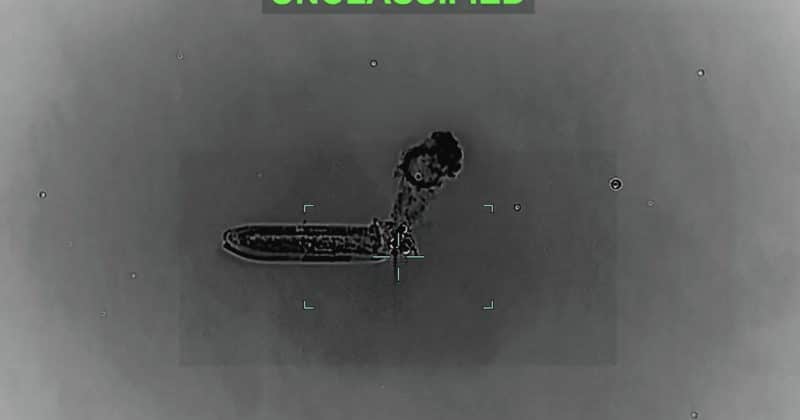
The strikes, reported between June 8 and 10, targeted military installations, air defense systems, and industrial sites across southern Iran. Hormozgan province, Bandar Abbas, Qeshm Island, and the Mahshahr petrochemical complex were all reportedly hit.
The targets were not random. They are believed to be associated with Iranian missile capabilities.
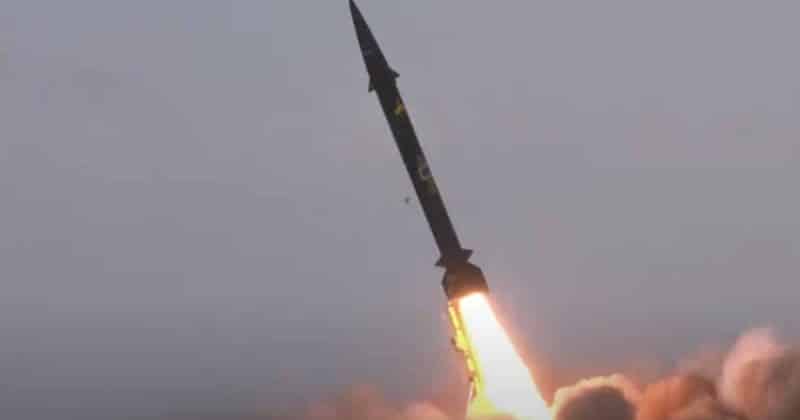
Israeli forces confirmed the operations were a response to Iranian missile launches, effectively shattering a ceasefire that had barely survived six weeks.
This latest round of strikes fits into a broader pattern of escalation that has been building since early 2025, when Israeli and US military operations began targeting Iranian nuclear and military installations. By February 2026, the conflict had already claimed Iranian leadership targets and nuclear sites.
How crypto markets responded
Bitcoin dropped below $63,000 as reports of the airstrikes circulated on June 8 and 9. Ethereum took a harder hit. Sharper percentage declines hit altcoins across the board, and liquidations surged as leveraged positions got wiped out.
During previous Middle Eastern conflicts, Bitcoin has exhibited a consistent behavior: sharp short-term drops followed by partial recoveries as the initial shock fades.
Oil price volatility compounds the problem. Strikes on petrochemical facilities and infrastructure in a region that controls critical energy supply routes create a cascading effect. Higher oil prices feed inflation fears, which feed rate concerns, which feed into tighter financial conditions.
The bigger picture for investors
The ceasefire breaking after just over a month suggests that diplomatic solutions are losing credibility.
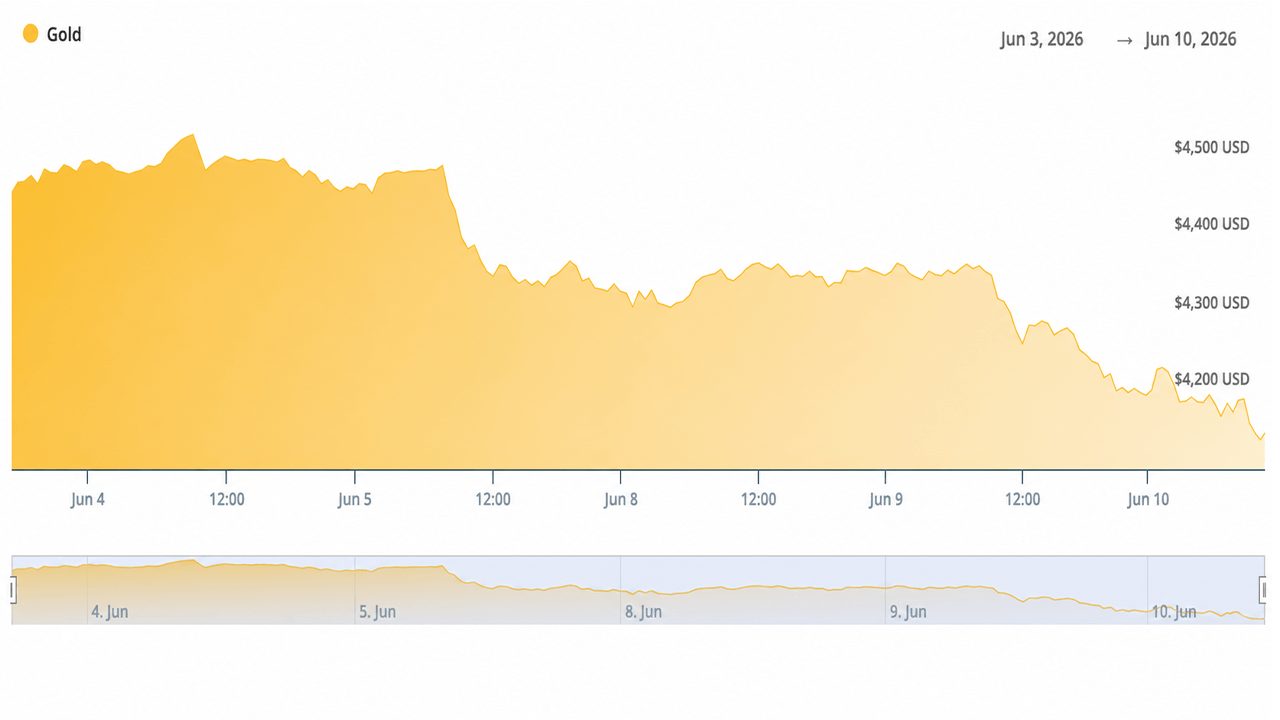
Bitcoin’s identity crisis, is it digital gold or a risk asset, keeps getting answered the same way during crises. It trades like a risk asset. Gold goes up during airstrikes. Bitcoin goes down.
Iran’s position along critical energy corridors means that sustained military operations could push crude prices higher for an extended period. That feeds directly into the macro conditions that determine whether central banks ease or tighten monetary policy.
What makes this moment distinct from prior escalations is the cumulative effect. A rolling series of escalations, from early 2025 strikes through the February 2026 operations to this latest ceasefire breach, creates a background level of uncertainty that’s harder to shake off with each cycle.
Disclosure: This article was edited by Editorial Team. For more information on how we create and review content, see our Editorial Policy.





 English (US) ·