
 1 hour ago
22
1 hour ago
22
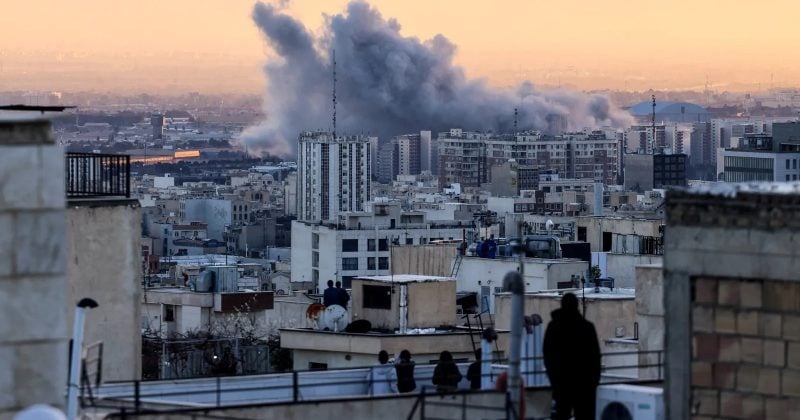
Something significant may have happened in Khormoj, Iran. Video footage sent to Iran International appeared to show multiple explosions in the southern Iranian city, coinciding with reported US military activity in the region. What exactly happened, and how significant it is, remains contested.
What we know, and what we don’t
An unverified video circulating via Iran International purports to document multiple blasts in Khormoj, a city in Iran’s Bushehr province. As of early July 2026, no major Western news organizations had independently confirmed the explosions or their cause.
Iran International, the London-based Persian-language broadcaster, has a track record of being early on Iran-related breaking news.
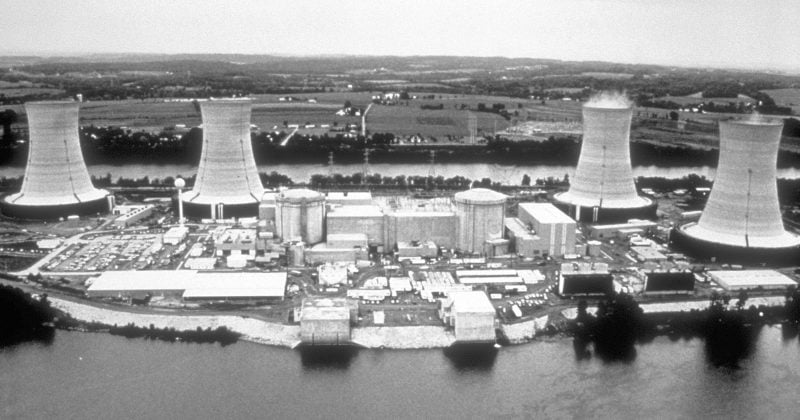
Khormoj sits in Bushehr province, which is home to Iran’s nuclear power plant and is close to the Persian Gulf coastline.
The lack of official confirmation from either Washington or Tehran is itself informative. Neither government has a strong incentive to publicly acknowledge escalatory strikes right now, particularly with diplomatic negotiations actively underway.
The bigger picture: a region on the edge
In July 2026, Iran targeted commercial vessels near the Strait of Hormuz, including a Qatari oil tanker. Roughly 20% of global petroleum liquids pass through the Strait of Hormuz.
Rear Admiral Ali Ozmaei took command of the IRGC Navy after his predecessor was killed in strikes in March 2026.
The US and Iran were reportedly negotiating a memorandum of understanding as of July 1, 2026, centered on unfreezing roughly $6 billion in Iranian assets in exchange for agreements touching on maritime route control. Qatar is serving as an intermediary in those talks.
The $6 billion figure echoes the 2023 agreement that saw Iranian funds held in South Korea released into Qatari accounts.
What this means for markets and investors
No crypto-specific market reactions have been tied to these developments, and digital asset markets have not shown visible movement in response.
If the Strait of Hormuz becomes a genuine conflict zone, oil price consequences would be significant. Risk-off sentiment driven by oil shocks typically pressures speculative assets, including crypto. Sustained dollar weakness or inflationary pressure from energy supply disruptions has historically pushed some capital toward Bitcoin as a hedge.
The MoU negotiations are the variable to watch most closely. If a deal gets done, oil markets stabilize, and the immediate military pressure eases. If talks collapse while strikes continue, the Strait of Hormuz becomes the dominant story in global commodity markets.
Disclosure: This article was edited by Editorial Team. For more information on how we create and review content, see our Editorial Policy.




 English (US) ·