
 1 hour ago
16
1 hour ago
16
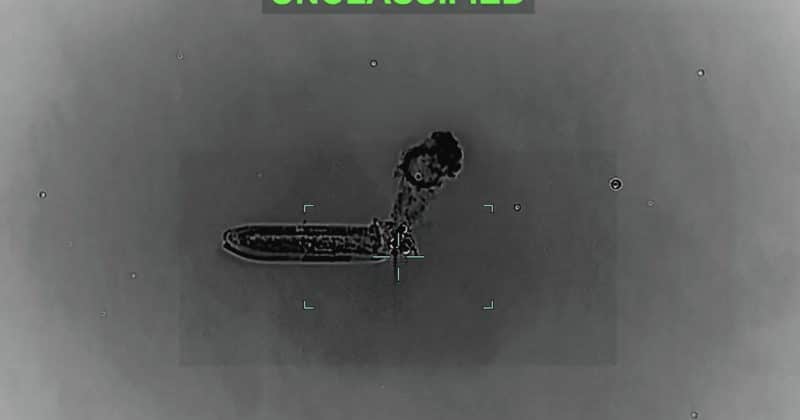
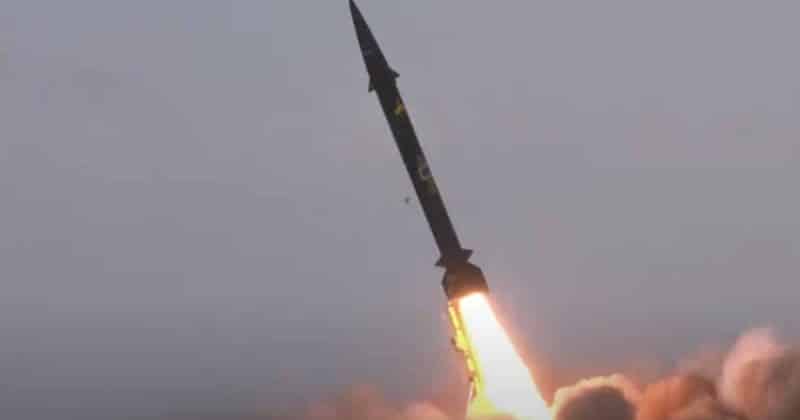
Explosions rocked the coastal city of Sirik and surrounding areas in Iran’s Hormozgan province on June 9-10, with Iranian state television confirming that a projectile struck the city and prompted the activation of local air defenses.
The blasts were also reported in nearby towns of Kuhistak and Minab, all situated uncomfortably close to the Strait of Hormuz, the narrow waterway through which a massive share of global oil shipments transit daily.
What happened in Hormozgan
The incidents coincide with US Central Command strikes on Iran and possible Iranian retaliations, placing this series of blasts squarely within a broader pattern of military escalation between the two countries.
Similar explosive incidents occurred in the same region in May 2026 and earlier in June 2026, suggesting a sustained and potentially intensifying cycle of hostilities rather than an isolated event.
As of June 11, details on casualties or definitive attribution for the explosions remain limited. No official military or law enforcement statements had been released clarifying the source or intent behind the blasts.
Why the Strait of Hormuz matters to everyone
Think of the Strait of Hormuz as a bottleneck for the global economy. It’s roughly 21 miles wide at its narrowest point, and it handles approximately 20% of the world’s oil supply. When something goes wrong near it, commodity markets feel it immediately.
What this means for crypto investors
Historically, geopolitical tensions in oil-producing regions have correlated with increased volatility in digital asset prices. The mechanism isn’t complicated: global risk sentiment shifts, institutional investors rebalance portfolios, and retail traders react to headlines.
For Bitcoin specifically, the narrative gets complicated. Some investors treat it as digital gold, a hedge against geopolitical chaos. Others treat it as a risk-on tech asset that sells off when uncertainty rises. Both camps have historical data to support their view, which means Bitcoin’s near-term direction during escalations like this tends to be genuinely unpredictable rather than directionally obvious.
Disclosure: This article was edited by Editorial Team. For more information on how we create and review content, see our Editorial Policy.




 English (US) ·