
 1 hour ago
8
1 hour ago
8
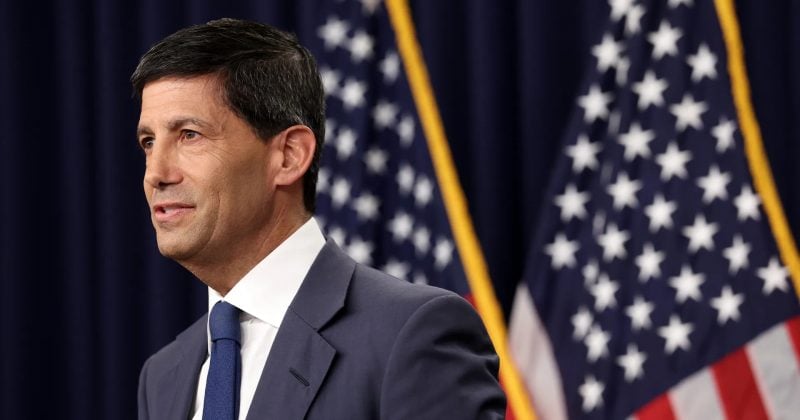
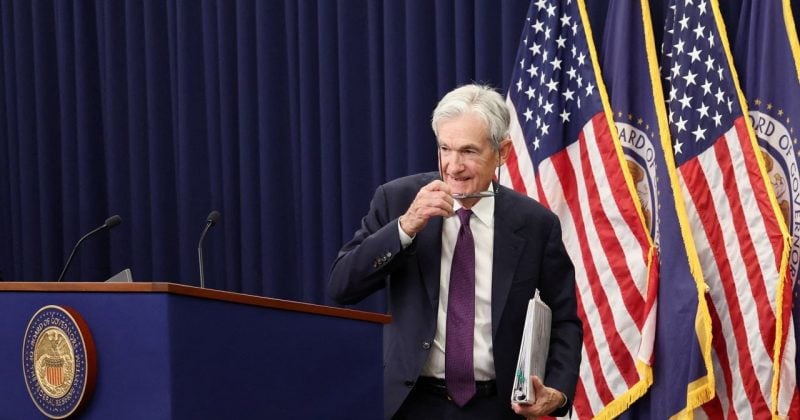
Kevin Warsh, the Federal Reserve Chair, told the Senate Banking Committee that the current wave of AI spending isn’t a bubble. It’s the economy doing something it hasn’t done well in years: actually building things.
Testifying on July 15, Warsh pointed to high-tech spending that surged nearly 25% in the first quarter of 2026, driven overwhelmingly by data center construction and AI infrastructure buildouts from the usual suspects: Amazon, Meta, Microsoft, and Alphabet. His core argument was straightforward. This isn’t financial engineering. It’s capital expenditure that will expand the economy’s productive capacity over time.
From capex to capacity
He also pushed back on inflation hawks. One-time price increases triggered by AI demand, think GPU costs or electricity for data centers, shouldn’t be confused with persistent inflation. Supply-side responses will catch up, Warsh argued. Chip fabs get built, energy capacity expands, and the price pressure fades.
The Fed is building its own AI playbook
Warsh disclosed that the Federal Reserve has established task forces specifically designed to study AI’s implications for jobs, productivity, and monetary policy. These were reportedly formed around July 9, just days before his testimony.
Warsh struck an optimistic tone on employment, stating that AI has the potential to create more jobs than it eliminates.
He also noted that AI investment will eventually be integrated into general investment categories rather than tracked as a separate phenomenon.
The crypto connection Warsh didn’t emphasize
During his testimony, Warsh disclosed personal investments in several crypto-related entities, including Polychain and dYdX, with connections to networks like Solana and Optimism.
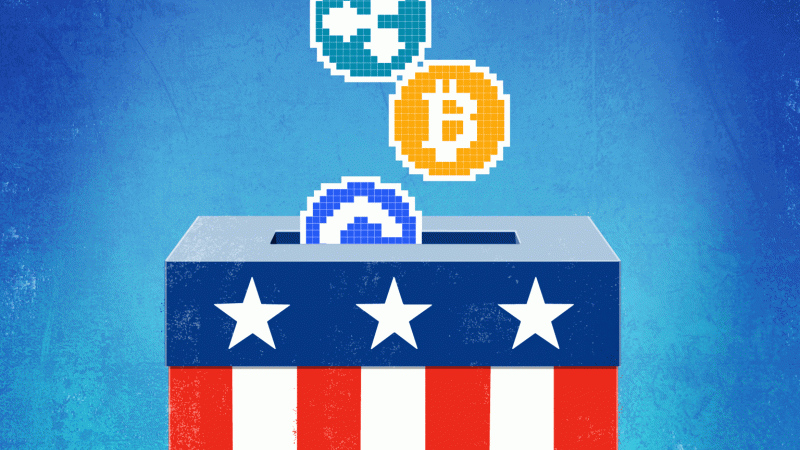
The prediction market angle adds another layer. Consumer optimism around AI firms like Anthropic, as reflected in prediction markets, suggests that retail sentiment is aligning with institutional capital flows.
Disclosure: This article was edited by Editorial Team. For more information on how we create and review content, see our Editorial Policy.



 English (US) ·