
 4 hours ago
75
4 hours ago
75
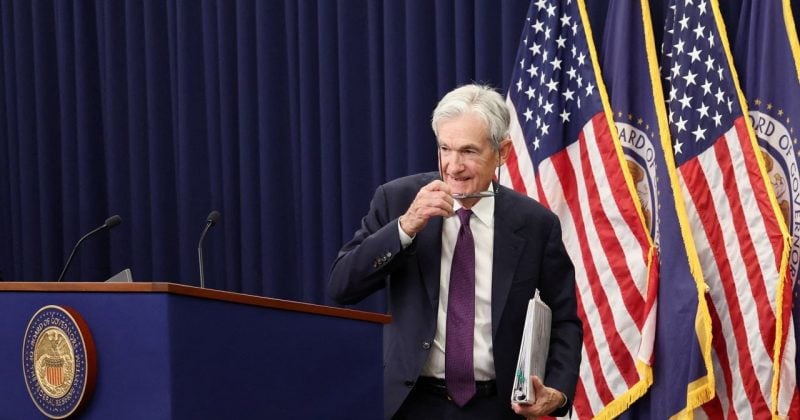
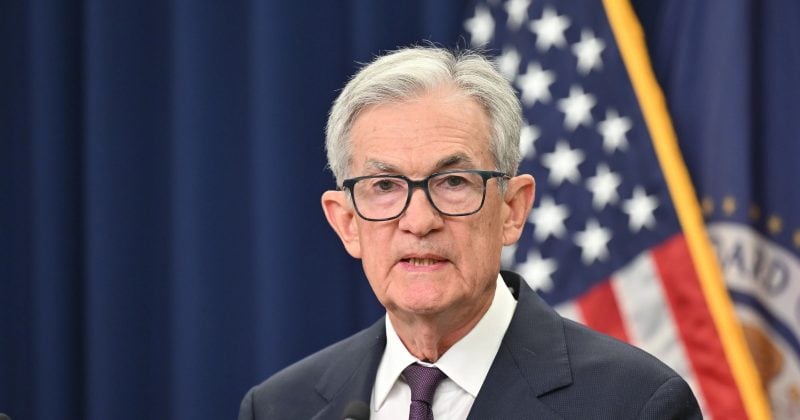
The Federal Reserve kept its powder dry again. The FOMC concluded its July 28-29 meeting by holding the federal funds rate at its current target range of 3.5%-3.75%, marking the fifth consecutive meeting without a change.
Inflation is running at 4.1%, oil prices are climbing, and Fed Chair Kevin Warsh has been notably tightening the rhetorical screws on price stability. Market pricing now reflects an 80% probability of a rate hike by September 2026.
What the Fed actually said, and what it means
The announcement landed at 2 p.m. ET on July 29, right on schedule.
Chair Warsh has been deliberately scaling back forward guidance in recent months. That shift is a strategic choice designed to preserve flexibility. When inflation is running more than double the 2% target, the last thing a central banker wants is to be boxed in by their own prior statements.
The June FOMC meeting, held on June 17, offered a preview of the internal dynamics. Committee members voted unanimously to hold rates, but the minutes revealed meaningful disagreement about what should come next. Some members leaned toward tightening sooner rather than later, while others argued for patience.
The inflation problem isn’t going away
Oil prices have been a major contributor to inflation, feeding into transportation costs, manufacturing inputs, and ultimately consumer prices.
The projected 80% chance of a September rate increase tells you where the market thinks this is heading. Five consecutive pauses have bought the Fed time, but that clock is running out if price pressures don’t ease on their own.
What this means for crypto and risk assets
Bitcoin was trading around $64,300-$64,400 ahead of the Fed’s announcement. Altcoin performance heading into the announcement was already mixed, suggesting that the broader crypto market is already digesting the uncertainty.
If inflation readings between now and September show any sign of cooling, the probability of a hike drops and risk assets get breathing room. If inflation stays elevated or accelerates, that 80% probability could climb even higher.
Traders watching the FOMC should pay less attention to the rate decision itself and more attention to any changes in the statement’s language around inflation risks and the labor market. In a reduced-guidance environment under Warsh, every word choice becomes a signal worth decoding.
Disclosure: This article was edited by Editorial Team. For more information on how we create and review content, see our Editorial Policy.



 English (US) ·