
 2 hours ago
11
2 hours ago
11
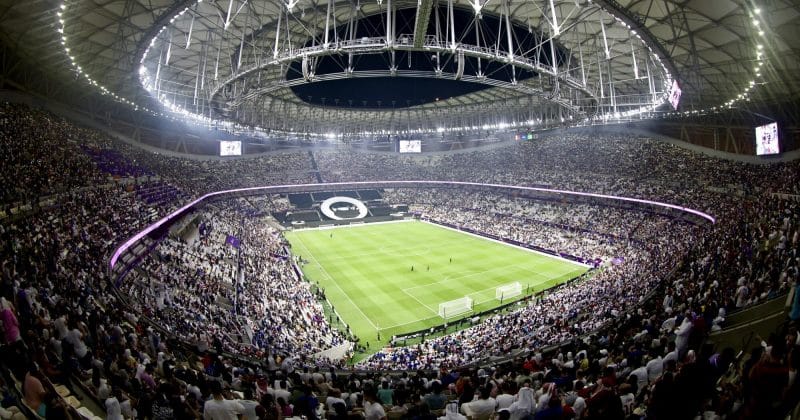
FIFA expects the 2026 World Cup to generate approximately €12 billion in revenue. That figure would nearly double the €6.6 to €7 billion the organization pulled in from the 2022 Qatar tournament, making this the most financially dominant World Cup in history.
The expanded format, featuring 48 teams spread across 16 host cities in the US, Canada, and Mexico, is the primary engine behind this projected windfall.
Where the money comes from
Ticketing and hospitality revenues alone are forecasted to exceed $3B, a significant jump from what Qatar 2022 delivered.
Sponsorship revenues are expected to land in the range of $2.8B to $3B. Broadcasting rights remain the single largest contributor, though exact figures for 2026 broadcast deals weren’t specified in FIFA’s projections.
For context, FIFA’s total revenue across the entire 2022 cycle was approximately $7.5B. The fact that a single tournament is now projected to surpass that cycle-wide figure tells you everything about the trajectory the organization is on.
The broader estimates for the 2026 event range from $10.9B to $14B, or roughly €10B to €13B. FIFA’s own €12B projection sits comfortably in the middle of that range.
FIFA’s crypto pivot is real, if modest
Kraken was named the Official Crypto Exchange Supporter of the 2026 World Cup. That’s a first. No previous World Cup has featured a cryptocurrency exchange as an official partner.
FIFA has also adopted Avalanche’s blockchain technology for ticketing and digital collectibles.
Prediction markets built on platforms like Chainlink are also expected to see multi-billion-dollar volume increases around the tournament.
No tokens are directly tied to FIFA’s core revenue projections, and blockchain technology doesn’t yet contribute meaningfully to the organization’s financial bottom line. The partnership with Kraken is a sponsorship deal, not a pivot.
What this means for crypto investors
For Avalanche specifically, having its blockchain infrastructure power ticketing and digital collectibles at the world’s largest sporting event is a meaningful proof of concept.
Chainlink’s positioning around prediction markets is similarly interesting. If decentralized prediction platforms do see the kind of volume increases that analysts expect during the tournament, that activity flows directly through oracle networks.
Kraken is regulated and operational since 2011, distinguishing it from past failed crypto-sports deals such as FTX’s naming rights deal with the Miami Heat arena.
Disclosure: This article was edited by Editorial Team. For more information on how we create and review content, see our Editorial Policy.





 English (US) ·