
 1 hour ago
23
1 hour ago
23
The 2026 FIFA World Cup doesn’t just have more teams than ever before. It has more crypto than ever before, too.
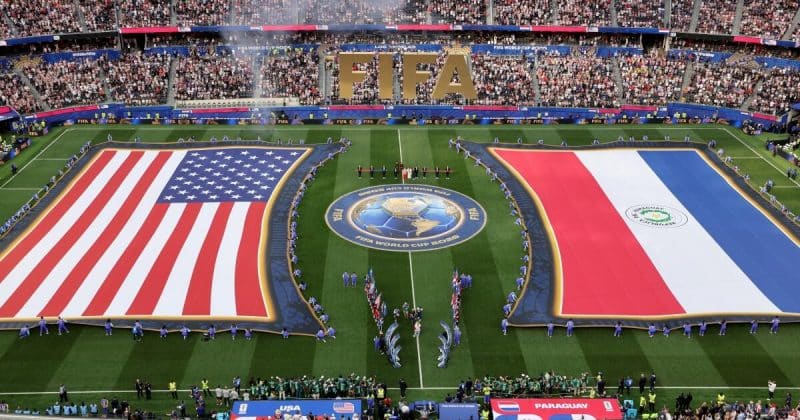
When Panama faces Ghana on June 17 in Toronto’s BMO Field at 19:00 local time (23:00 GMT), it will mark one of the first Group L matches in a tournament that has quietly become a showcase for blockchain integration at the highest level of global sport. Kraken is the Official Crypto Exchange Supporter, Chainlink is powering oracle infrastructure for FIFA’s prediction markets, and Avalanche is hosting FIFA’s own blockchain initiatives.
The match details, and who’s broadcasting
Panama vs Ghana is a Group L contest in the expanded 48-team format, which stretches from June 11 through July 19 and features over 100 matches across North American venues. The game takes place at BMO Field, also known as Toronto Stadium, in Canada.
For Ghanaian viewers, SuperSport has broadcast rights. US audiences can catch the match on FS1, Telemundo, or Peacock. UK viewers have ITV.
Crypto’s World Cup playbook
Kraken’s designation as Official Crypto Exchange Supporter was announced on June 9, just a week before the tournament’s opening match. Then there’s Chainlink, which is providing oracle services for FIFA’s prediction markets. Chainlink’s technology feeds real-world data, like match scores and outcomes, onto the blockchain so that smart contracts can settle bets and predictions automatically without relying on a single centralized source. Avalanche rounds out the trio by facilitating FIFA’s own blockchain initiatives.
What this means for crypto investors
One notable gap: neither Ghana nor Panama has any associated fan tokens or team-specific crypto partnerships for this tournament. That’s worth flagging because platforms like Chiliz built their entire business model around team-specific fan tokens during the last World Cup cycle. The 2022 Qatar World Cup saw spikes in Chiliz trading activity, even as the broader market was deep in bear territory.
What’s genuinely different this time is the infrastructure layer. Previous World Cup crypto partnerships were mostly branding exercises, logos on jerseys and stadium names. In 2026, blockchain technology is actually embedded in the product, powering prediction markets and digital initiatives rather than just appearing on a banner.
Disclosure: This article was edited by Editorial Team. For more information on how we create and review content, see our Editorial Policy.



 English (US) ·