
 1 hour ago
16
1 hour ago
16
Iran has quietly built one of the most sophisticated sanctions evasion operations in modern history, combining old-school maritime trickery with new-school crypto payments to keep its oil revenue flowing. Daily oil revenue climbed from roughly $115 million in February 2026 to approximately $139 million in March, even as export volumes actually dropped about 45% month-over-month to around 1.136 million barrels per day.
The shadow fleet and its crypto companion
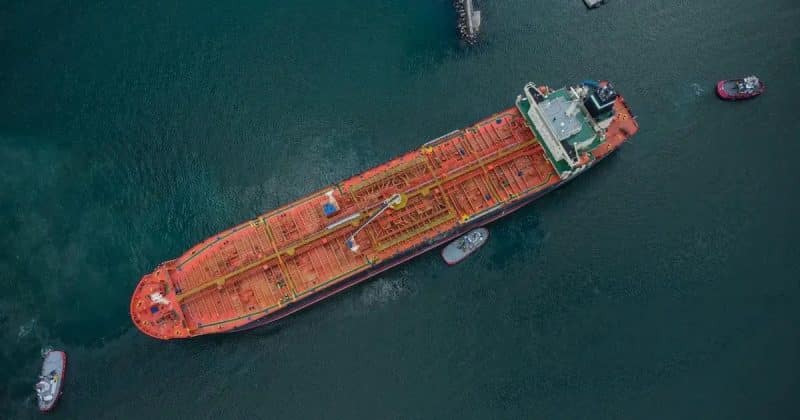
The physical infrastructure of Iran’s evasion network relies on hundreds of tankers operating under false flags, conducting ship-to-ship transfers in open water to obscure the origin of crude oil. These vessels are managed through layers of front companies scattered across the UAE, Hong Kong, Singapore, and China, with much of the oil ultimately flowing to China’s independent “teapot” refineries.
The Iranian Revolutionary Guard Corps has been linked to cryptocurrency transactions exceeding $100 million between 2023 and 2025. The IRGC has reportedly used crypto channels to sell oil, primarily to Chinese buyers, while laundering the proceeds through digital asset networks.
Iran has explored accepting Bitcoin and stablecoin payments of roughly $1 per barrel as transit fees for tankers passing through the Strait of Hormuz.
Nobitex and the exchange crackdown
The US Treasury’s Office of Foreign Assets Control sanctioned Nobitex, Iran’s largest digital asset exchange, on June 2, 2026. The platform handled over 50% of the country’s digital asset inflows in 2025, making it the central hub through which Iranian crypto activity flowed.
US authorities have seized or frozen somewhere between $100 million and $1 billion in Iran-linked cryptocurrency as part of broader enforcement actions targeting these shadow networks. The wide range in that estimate reflects how difficult it is to track and attribute funds moving through pseudonymous blockchain addresses, even with increasingly sophisticated blockchain analytics tools.
Why stablecoins are the real story
Bitcoin gets the headlines, but stablecoins are doing the heavy lifting in Iran’s sanctions evasion architecture. Dollar-pegged tokens like USDT provide the price stability that oil traders need without requiring access to actual US dollar banking infrastructure.
Stablecoin issuers like Tether have faced repeated questions about whether their tokens facilitate sanctions evasion. Tether has pointed to its cooperation with law enforcement and its ability to freeze wallets.
What this means for crypto investors
The Nobitex sanctions are a preview of targeted enforcement actions against specific platforms and individuals that could expand into broader compliance requirements for exchanges worldwide.
Exchanges operating in jurisdictions adjacent to these flows, particularly in the UAE, Turkey, and parts of Southeast Asia, face heightened compliance risk. If US authorities determine that a platform has, even inadvertently, processed transactions linked to Iranian oil revenue, the consequences can include sanctions designation, banking partner withdrawal, or criminal prosecution.
Companies like Chainalysis, Elliptic, and TRM Labs are positioning themselves as essential infrastructure for governments trying to keep pace with state-level sanctions evasion.
Disclosure: This article was edited by Editorial Team. For more information on how we create and review content, see our Editorial Policy.






 English (US) ·