
 1 hour ago
11
1 hour ago
11
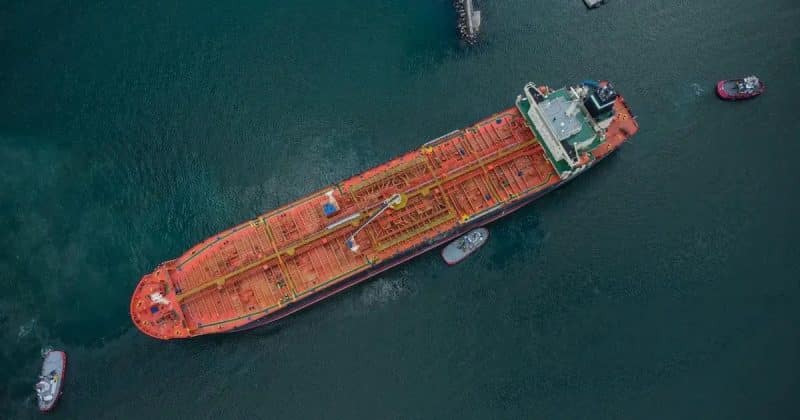
Oil tankers linked to Iran are repositioning in the Strait of Hormuz ahead of a formal peace deal between Washington and Tehran, and the ripple effects are already hitting crypto markets. Bitcoin surged past $66,000 intraday as traders priced in lower geopolitical risk from a region that handles roughly 20% of the world’s oil supply.
The US-Iran memorandum of understanding, announced around June 14-15, is set for a formal signing on June 19 in Geneva. Three oil tankers and two cargo ships have already transited through the strait following the announcement, according to Iranian media reports, though AIS vessel tracking data suggests overall traffic levels haven’t meaningfully changed yet.
What the deal actually does
The MoU aims to extend a ceasefire and reopen the Strait of Hormuz to commercial shipping. Brent crude prices dipped roughly 5% after the announcement, settling in a range between $80 and $83 per barrel. The logic is straightforward: if Iranian oil can flow more freely, global supply increases, and prices come down.
Back in April 2026, proposals surfaced indicating Iran planned to charge $1 per barrel in crypto tolls on tanker transits through the strait. The latest deal, however, suggests potential for toll-free passage, which would sideline that particular crypto use case but broadly improve sentiment by reducing one of the market’s favorite sources of anxiety.
The fact that broader shipping traffic hasn’t shifted much tells you that most shipowners are waiting for ink on paper before committing to route changes.
Bitcoin’s geopolitical trade
Bitcoin crossing $66,000 on the back of a Middle Eastern peace deal might seem like a stretch, but the connection is more direct than it appears. Geopolitical de-escalation tends to boost risk appetite across all asset classes. When the probability of a supply shock in the world’s most important oil corridor drops, investors feel more comfortable moving into higher-risk, higher-reward positions.
The abandoned crypto toll proposal adds another layer. If Iran had implemented a $1-per-barrel crypto levy, it would have created a novel, state-level demand driver for digital assets. That’s now likely off the table, but the net effect of reduced geopolitical tension clearly outweighed any lost toll-driven demand, at least based on the immediate price action.
What this means for investors
The formal signing on June 19 is the next catalyst to watch. Until then, markets are trading on expectation, not execution. The fact that overall vessel traffic through the strait hasn’t changed, despite the announcement, suggests the market isn’t fully pricing in success.
For oil-exposed portfolios, the 5% drop in Brent is significant but could deepen if Iranian barrels actually start reaching global markets in volume. Iran has substantial production capacity that’s been partially sidelined by sanctions and shipping restrictions, and a genuine reopening of export routes would add meaningful supply to a market that’s been tightly balanced.
The competitive dynamic between oil and crypto as geopolitical hedges is also worth noting. A peace deal that simultaneously depresses oil prices and boosts Bitcoin suggests the market is increasingly viewing crypto as a risk-on asset rather than a geopolitical hedge.
Disclosure: This article was edited by Editorial Team. For more information on how we create and review content, see our Editorial Policy.







 English (US) ·