
 1 hour ago
21
1 hour ago
21
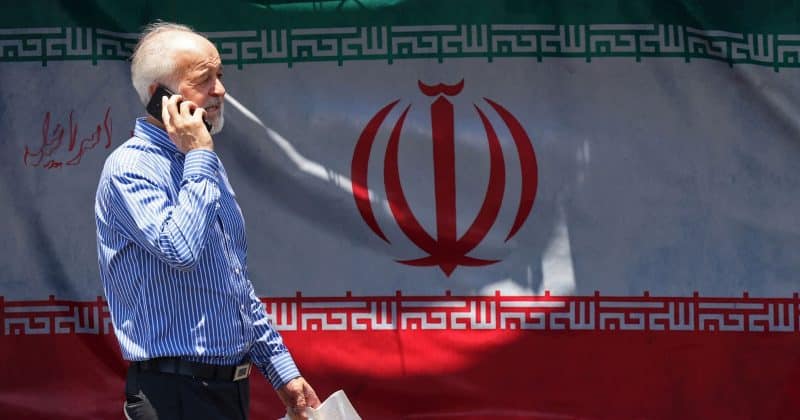
Iran’s Foreign Ministry spokesperson Esmaeil Baghaei declared on June 15 that ending the war in Lebanon is an “inseparable” part of any agreement between Tehran and Washington. The word “Lebanon” appears three times in the proposed memorandum of understanding between the two nations, according to Baghaei, a detail he clearly wanted everyone to notice.
The preliminary framework targets an immediate and permanent cessation of hostilities across multiple fronts, with a possible signing date around June 20. It also hints at reopening the Strait of Hormuz, one of the world’s most critical oil chokepoints, and addressing aspects of the US naval blockade on Iran.
What the deal looks like, and where it could fall apart
The full text of the proposed MoU hasn’t been made public. What has leaked suggests commitments to cease military operations, with sanctions relief and regional security forming the backbone of ongoing discussions.
Iran is insisting that any durable agreement includes guarantees for Lebanon’s security and an Israeli withdrawal from contested southern territories. Israel is not fully committed to withdrawing from southern Lebanon, which remains a stronghold for Hezbollah. Given the US-Israeli strikes against Iran that began in February 2026 and subsequently ignited broader regional conflicts, the diplomatic distance between framework and signature is considerable.
The crypto connection: sanctions evasion and digital workarounds
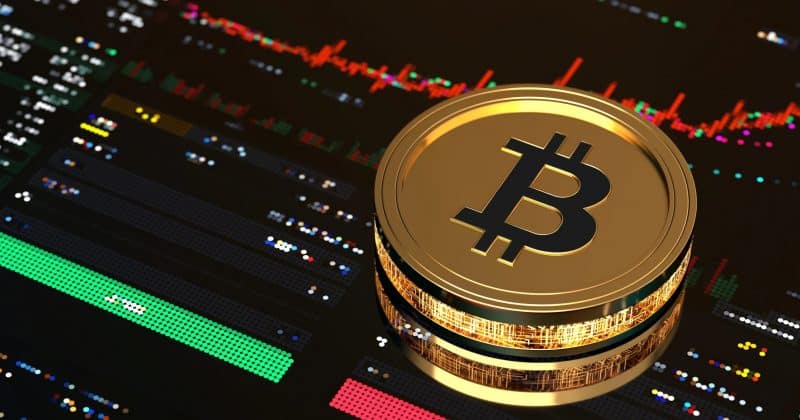
There are no specific references to crypto assets within the proposed MoU. Iran has used Bitcoin mining operations and peer-to-peer trading channels to move value outside the reach of conventional banking restrictions. The Treasury Department’s Office of Foreign Assets Control has repeatedly flagged Iranian-linked wallet addresses and sanctioned platforms facilitating these flows.
Any movement toward sanctions relief, even partial, changes the calculus for enforcement priorities and the risk profiles that compliance teams at major exchanges use to flag suspicious activity.
What this means for investors
The Strait of Hormuz handles roughly a fifth of global oil transit. If the MoU framework leads to its reopening and a de-escalation of the naval blockade, oil prices could soften.
Every time OFAC blacklists a mixing service or sanctions a set of wallet addresses tied to Iranian flows, the compliance burden ratchets up for every exchange and DeFi protocol operating in US jurisdiction. Tornado Cash’s designation in 2022 remains the most prominent example. Fewer sanctioned entities using crypto means fewer reasons for regulators to treat the entire sector as a national security risk.
USDT and USDC have both been documented in sanctions-evasion contexts, and any shift in the geopolitical landscape that reduces illicit stablecoin flows could accelerate the regulatory greenlight that issuers need for broader institutional adoption.
Traders should watch three things in the coming days. First, whether Israel signals any willingness to engage with the withdrawal terms. Second, whether oil futures react to the Strait of Hormuz language in the framework. Third, whether OFAC or FinCEN issues any concurrent guidance on Iranian-linked digital asset enforcement, which would signal how Washington views the intersection of this diplomatic track and crypto policy.
Disclosure: This article was edited by Editorial Team. For more information on how we create and review content, see our Editorial Policy.





 English (US) ·