
 1 hour ago
12
1 hour ago
12
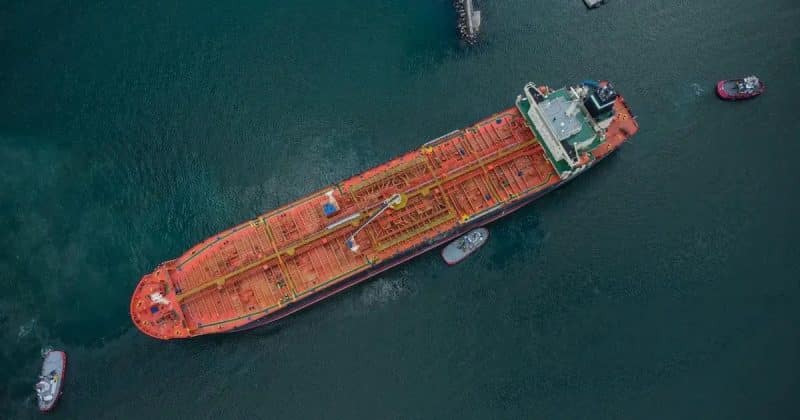
Iranian oil tankers began repositioning through the Strait of Hormuz on Tuesday, the first significant shipping activity in the critical waterway since the US naval blockade choked off Iranian exports earlier this year. The movement comes days before a formal US-Iran agreement is set to be signed in Geneva on June 19.
President Donald Trump announced the development on June 15 via Truth Social, declaring the southern navigation route safe for transit. Iranian officials confirmed the blockade has been lifted in anticipation of the deal, with vessels including oil tankers already crossing the strait.
From blockade to breakthrough
The US-Iran conflict kicked off on February 28, 2026, and the subsequent naval blockade did exactly what blockades do. Iranian oil exports plummeted by over 90% in May 2026, effectively strangling one of OPEC’s key producers.
Roughly 20% of global oil trade transits through the Strait of Hormuz. The memorandum of understanding between Washington and Tehran, aimed at ending the broader Middle East conflict, appears to be unwinding those pressures. Oil futures have already responded, declining to multi-week lows as traders price in the reduced risk of supply disruption. Stock futures, meanwhile, have climbed on the optimism.
The crypto angle hiding in plain sight
Iran has been charging $1 per barrel for transit through the Strait of Hormuz, collecting those fees in Bitcoin and other digital assets. The practice grew out of necessity, as traditional banking channels are unavailable to sanctioned nations seeking to collect revenue from international shipping.
With the blockade lifting and tanker traffic expected to increase, the volume of crypto-denominated transit payments could rise in parallel. More ships moving through the strait means more per-barrel fees, which means more Bitcoin and stablecoin transactions flowing through payment networks that facilitate this trade.
What this means for investors
For traditional energy investors, more Iranian oil hitting global markets means additional supply, which puts downward pressure on crude prices. Exports cratered by more than 90% during the blockade, so even a partial recovery represents meaningful barrels returning to the market. OPEC+ members who filled part of that gap may need to adjust their own production strategies accordingly.
For crypto markets, US authorities have historically taken a dim view of crypto being used to circumvent sanctions. If the deal holds, the sanctions framework itself may shift, potentially legitimizing some of these payment flows. If the deal falls apart, those same crypto channels become targets for enforcement action.
Watch the Geneva signing on June 19. If the deal is formalized, expect both oil price adjustments and a fresh wave of attention on crypto’s role in international commodity trade.
Disclosure: This article was edited by Editorial Team. For more information on how we create and review content, see our Editorial Policy.



 English (US) ·